
Discover Python and Patterns (11): Class
I propose to introduce Python classes to implement the Game Loop pattern. Using these tools, I show how to refactor the code in the previous post to...
·
6.6k

Member since Sep 2019
I propose to introduce Python classes to implement the Game Loop pattern. Using these tools, I show how to refactor the code in the previous post to...
Thanks to the Pygame library we installed in the previous post, we can draw 2D graphics. In this post, I propose to introduce controls with the...
In the previous posts, I introduced enough of Python and patterns to start creating games with graphics using the Pygame library.This post is part of...
The time has come to see our first design pattern: the Game Loop Pattern! This pattern can give us many good ideas to refactor our game in a very...
It is now time to organize/refactor our code! When you begin, this is a strange process since the final code does the same as before. However,...
In the previous post, the magic number is always the same. I propose now to introduce random numbers to change the magic number every time we launch...
In previous posts, I only used strings and booleans. In this one, I use a new data type called “int” (for integer) that allows the storage and...
The previous game only allows one try: you have to restart it to propose another word. In this post, I introduce loops, and I use them to repeat the...
Programs in the previous post always lead to the same result. Here, I show you the basics of branching, or how to change the flow of a program...
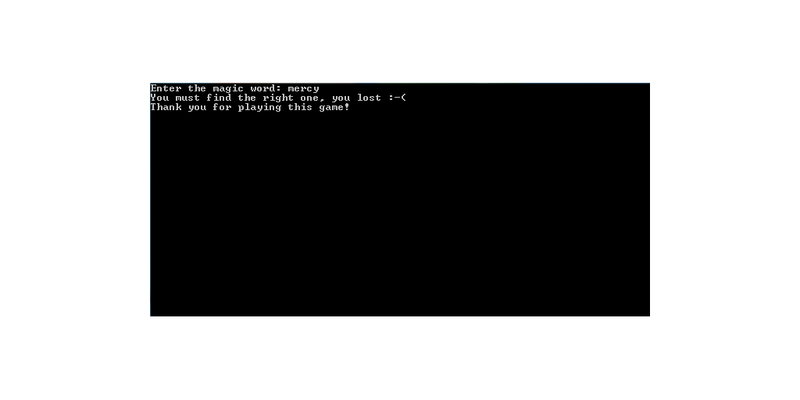
In the first post, we saw how to install an IDE and how to display a message; it is time to add some interaction with the player. Wait for a key...
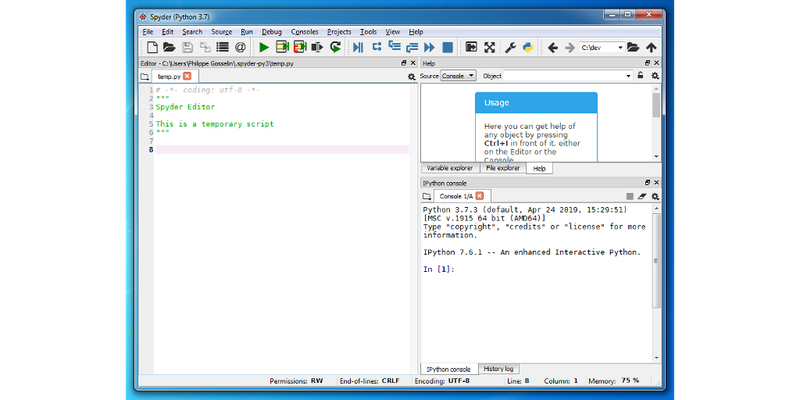
In this series, I propose an introduction to programming for beginners. To do so, I choose the Python language, which is today one of the best (if...
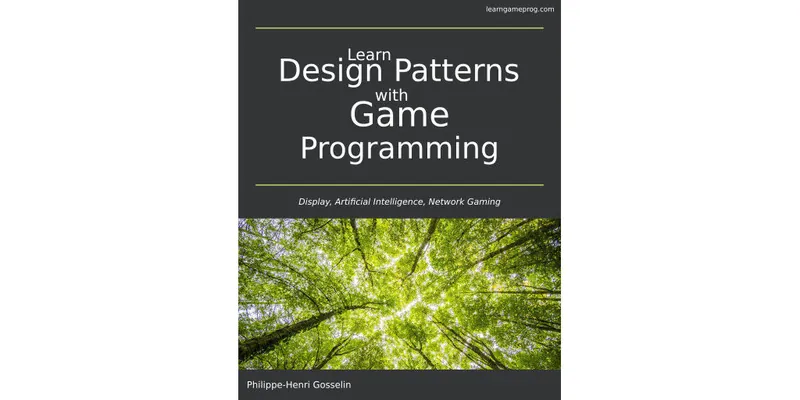
The paperback version of my book "Learn Design Patterns with Game Programming" is finally out! The Kindle version is updated with some improvements...
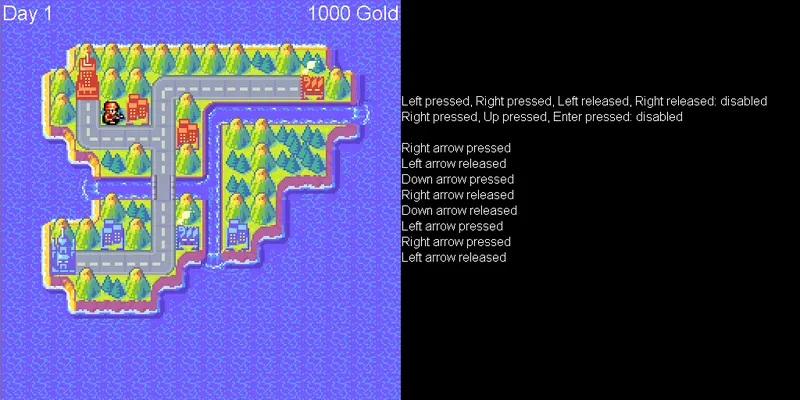
In this post, I add the keyboard management to the facade, and I propose a way to detect key sequences. These sequences are used, for example, in...
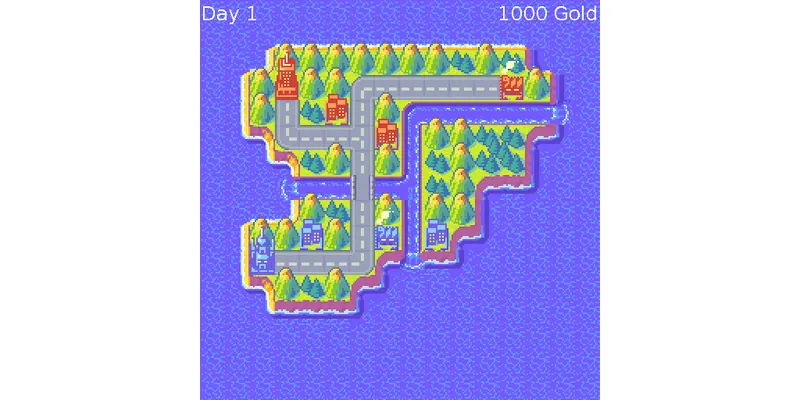
Graphic libraries usually provide methods to draw text on the screen. These handy methods are often quite slow to run because they recompute many...

After loading a level, I now propose to add interaction with the use of a mouse. This will be an opportunity to see two other patterns: the Observer...
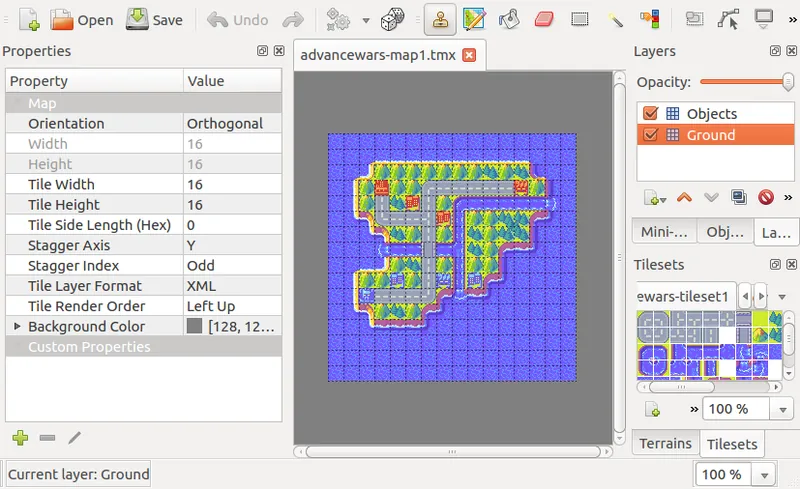
In this article, I propose to use the Visitor Pattern to easily load a level. The GUI facade in the previous post is used to display the level. This...
I continue the extension of the graphic facade (see previous article), with here the addition of a very classic form of drawing for video games:...

The facade seen in the previous article has only an interface with its methods. It is also possible to enrich a facade with additional interfaces,...

In this article, I propose to continue the design of a facade for a 2D tile game (previous post). I add two new features: creation/destruction of the...

In this series, I propose to discover the Facade Pattern. In short, this pattern defines an interface that allows a reduced and simplified use of a...
With your permission, GameDev.net uses analytics cookies to understand how people use the platform. You can accept analytics or continue with necessary cookies only. Learn more