
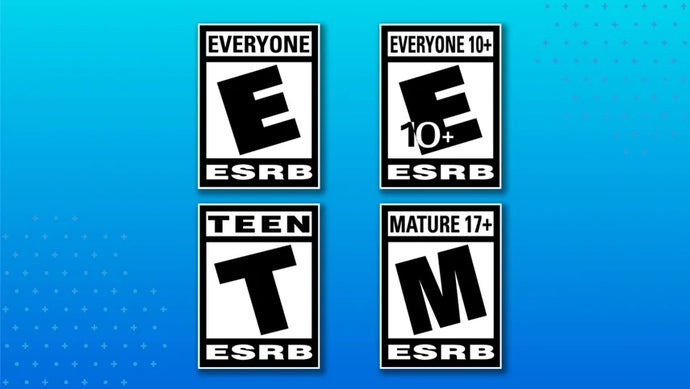
ESRB will not adopt PEGI age-rating changes in the US as it "could be confusing"
The ESRB's refusal to adopt PEGI's new age-rating changes highlights a significant divide in how age ratings are approached in the US versus Europe. PEGI's updated system, set to take effect in June, aims to provide parents with more detailed information about games, particularly concerning in-game purchases and communication features. This could lead to confusion among consumers if the ESRB maintains its current stance, which focuses solely on game content.
Developers should be aware of these differences as they impact how games are marketed and rated in different regions. As PEGI integrates more factors into its ratings, it may create a competitive edge for developers who can clearly communicate their game's features. Understanding these changes is crucial for navigating the evolving landscape of game ratings and ensuring compliance across markets.
“It could be confusing if non-content related features influence rating category assignments.”
- what
- ESRB will not adopt PEGI's new age-rating changes.
- who
- ESRB, PEGI, Dirk Bosmans (PEGI director general)
- when
- PEGI's changes take effect in June.
- impact
- Developers may face confusion in marketing due to differing rating systems.
Conflicting approaches to age ratings may create confusion for developers and consumers.
Follow esrb updates
See relevant stories in your personalized news feed.
Discussion