
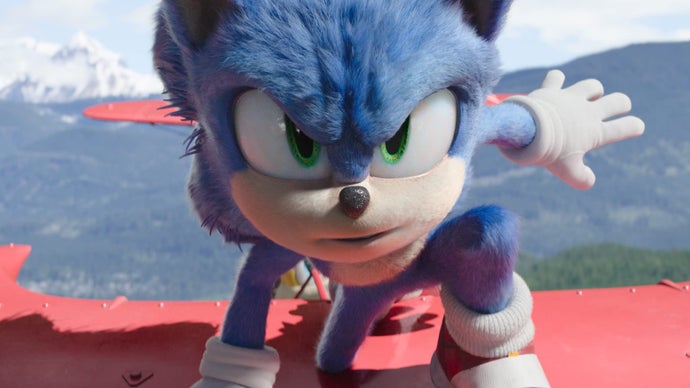
"There was that period in time, pre-Sonic, where it was, 'You're so lucky that Hollywood is even looking at you'"
Story Kitchen’s Dmitri M. Johnson and Dallas Dickinson describe a market where game adaptations are no longer a novelty pitch. Split Fiction sold 2 million copies in its first week, then sparked a bidding war that ended with Amazon MGM Studios taking the film rights. The company is also behind Sonic, Tomb Raider, and a long list of upcoming adaptations, which shows how aggressively Hollywood is chasing game IP now.
For developers, the practical lesson is that these deals are increasingly about preparation and control. Studios want ancillary rights, new elements can become a legal flashpoint, and “final approval on everything” is a non-starter. Story Kitchen leans on bibles, early materials dumps, and talent attachments to reduce risk and make the pitch financeable. That matters whether you’re a small indie with a strong world or a major publisher with a valuable franchise.
“There was that period in time, pre-Sonic, where it was, 'You're so lucky that Hollywood is even looking at you'.”
- what
- Story Kitchen discussed how it packages and negotiates video game film/TV adaptations, using Split Fiction as a recent example.
- who
- Story Kitchen co-founder Dmitri M. Johnson and executive producer Dallas Dickinson; Hazelight; Amazon MGM Studios; Sydney Sweeney; Jon M. Chiu; Rhett Reese; Paul Wernick.
- when
- Split Fiction was pitched just before its March 6 launch; it sold 2 million copies in its first week; Johnson spoke after a Screen Play talk at London Games Festival in April.
- impact
- Game teams need clearer IP bibles, earlier adaptation planning, and realistic rights positions; studios will not accept total creative control from the game side.
Strong opportunity, but dealmaking is still messy and control-heavy.
Follow video game adaptations updates
See relevant stories in your personalized news feed.
Discussion