What would you like to see in an agent-based economics simulator?

Economics engine
What would you like to see in an agent-based economics simulator?

Can you go into more depth on what you mean by agent-based economics? Perhaps an overview of what you generally plan to do?
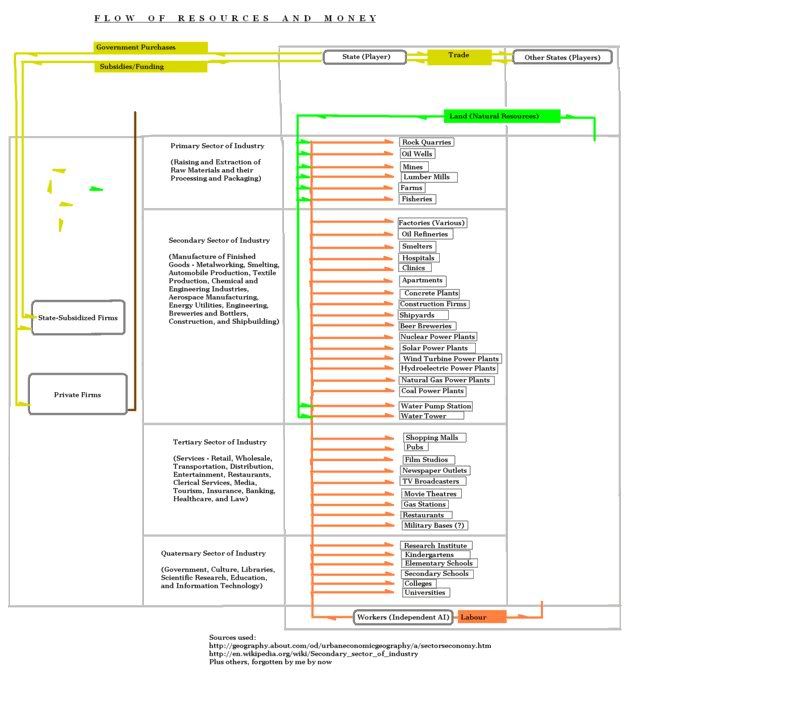
I plan to make resources moddable. You choose their name, icon, whether they're a capacity (like housing) that is uneconomical to store (like electricity) or whether they accumulate (like ore), whether they're physical and must be transported (like metal) or whether they require a conduit (like pipelines or powerlines).
Buildings too. Their models, inputs, outputs/economic process. And units.
Labourers would have demand elasticity curves and propensity for consumption for different commodities and differentiated products. Still figuring out how I'll handle differentiated products though.
Transportation would work on an auction model. Demanders bid on the lowest-cost transport of their resources (taking the path/fuel cost and the price of the resource to be transported from the available supplier) and trucks choose the most profitable use of their time (taking into account fuel, driver cost and expected earnings).
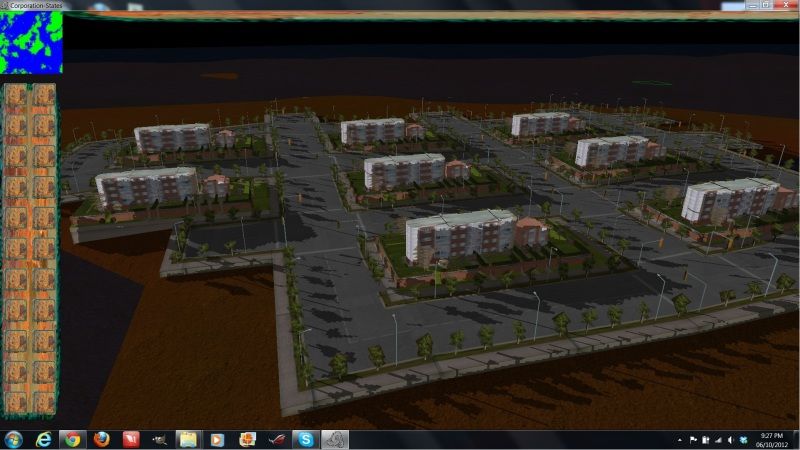
You can build private homes to sell to labourers. It's a trade-off for them, to pay rent each cycle (apartments owned by players) or pay a one-time fee to own a house.
You can build cars to sell too. It's an investment if the money spent on the car and fuel is made up for by the time saved and better job opportunities available. Interest of loan would also be factored in. The player can start bank branches to give loans to labourers and other players. He can do a background check on where the labourer lives, works, before giving the loan.
Having multiple currencies (perhaps user-created) and printing money is another possibility. And stock markets and owning shares in other players' corporations, and vice-versa.
Maybe you can own and sell land. And sell/buy buildings/businesses owned by other players.
The modding of buildings would include adding to aspects of the economy that I didn't think of yet, like different kinda of farming, ranching, entertainment industries. That might require making the game open source though. Or making it moddable through dll files, but I don't know how I'd expose enough and which parts for it to truly be able to grow.
Could you explain a few things? What is the player doing in the game world, or whom does he incarnate, and what does he have control over exactly? It looks like he's some kind of central bank/half-god that does not control the agents' actions but still controls offer of certain goods like cars and buildings; but then will AI control the labourers' choices? In an auction, for example, the player obviously can't be the seller and the bidder, there has to be an AI involved.
madshogo, he already explained what the players are - corporations competing with each other.
I'm interested in how extensive control the players would have over physical topology, land ownership, construction, etc. These come with high potential for degenerate strategies.
If the idea is for the game to show a physically growing city/region like Simcity or Transport Tycoon do, you might want some kind of government AI to automatically build basic road connectivity everywhere, perhaps regulate zoning and do other things.
madshogo, he already explained what the players are - corporations competing with each other.
Well the only mention he makes of "corporations" (at least in this thread) is
owning shares in other players' corporations
and while I see that players can *have* corporations, I don't see that they are corporations. Also, since when do modern corporations build homes and cars for their workers? I think that instead, polyfrag meant his game as a kind of SimCity where you are some kind of powerful mayor who rules the economy of a city/region.
The player doesn't own labourers but merely offers them jobs where a chosen amount of currency (resource) is exchanged for a set amount of labour (resource). Labourers are AI controlled and choose the most profitable use of their time. They need housing to regenerate their labour power and consumer goods to survive.
An economics engine would really be nothing more than a bunch of people with desires for different things and simulating supply and demand. All a real economy consists of is people with desires and different priorities who trade things for other things, creating supply and demand, which in turn creates prices. A lot of trappings of modern economies only serve to break them in reality (especially things like central banks).
Simulating this process as minutely as possible would be the main goal of an 'economics' engine IMO, because that is what a real economy is. Every actor in the economy would have to make decisions on an individual level based on their own individual values as well as their means and capabilities to actually act on their values.
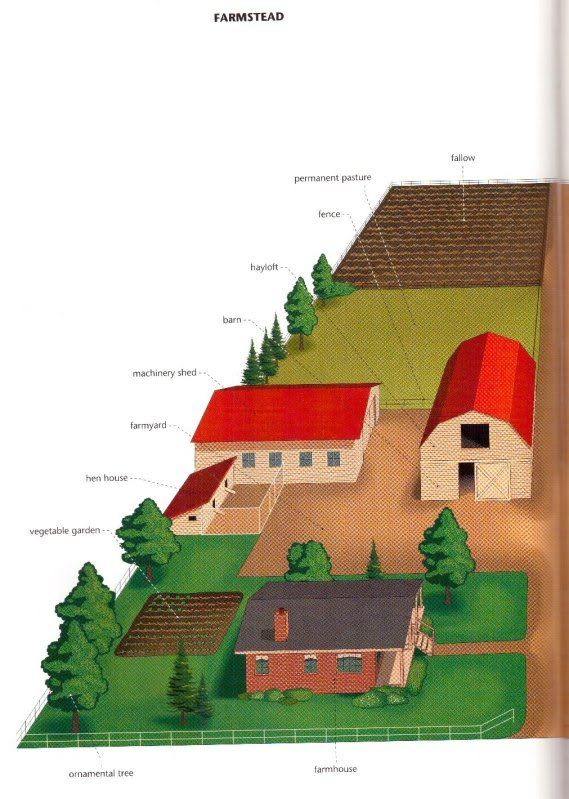
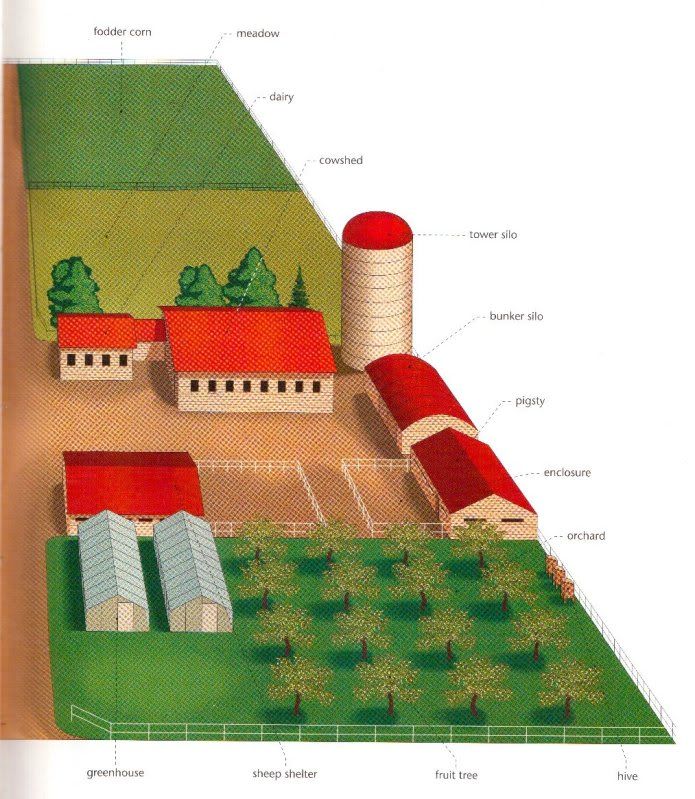
Farms complicate things. Is a farm one 'building' or is it made of grain silos, beehives, etc.?


What else is there?
- vineyard
- ranch
- cotton plantation
- tobacco plantation
- coffee plantation
- sugar cane plantation
And the associated businesses - cereal factory, etc.
- pulp and paper mill
- textiles plant
- apparel plant
- plastic plant
- rubber plant
Also, how to handle wholesale/retail? Stores purchase produce, apparel, electronics, etc. wholesale and sell it to the end consumer.
And what about education? I was thinking of making 'engineering' a resource required in construction and maybe 'skilled labour' for operating a nuclear powerplant. Colleges are privately run, because corporations own everything in the game. How is the hiring of instructors handled. And primary/secondary schools, kindergardens. Labourers should be simulated getting married, having children, growing older, retiring. Maybe pension is a job benefit players could offer to employees.
Since this is an alternate universe, resources and buildings/economic processes can also be made up.

There's a scrolling ticker at the top showing resources.
Capacities show usage / total availability:

Cumulatives show stock and +/- projected change per cycle:

A cycle is the economic equivalent of a month:

Rent is paid cyclically.
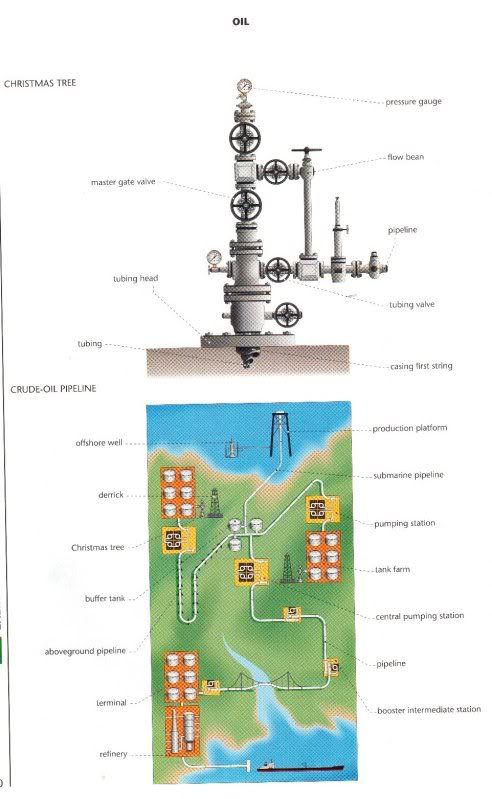
Resources are localized and must be transported.
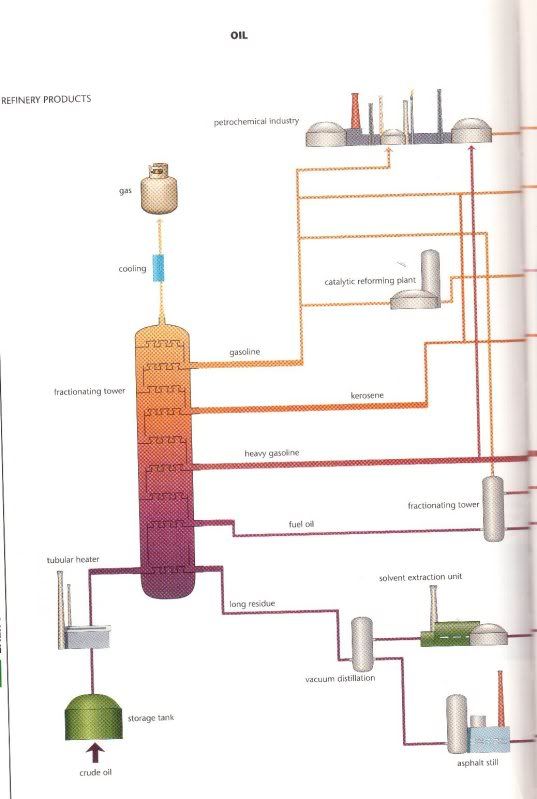
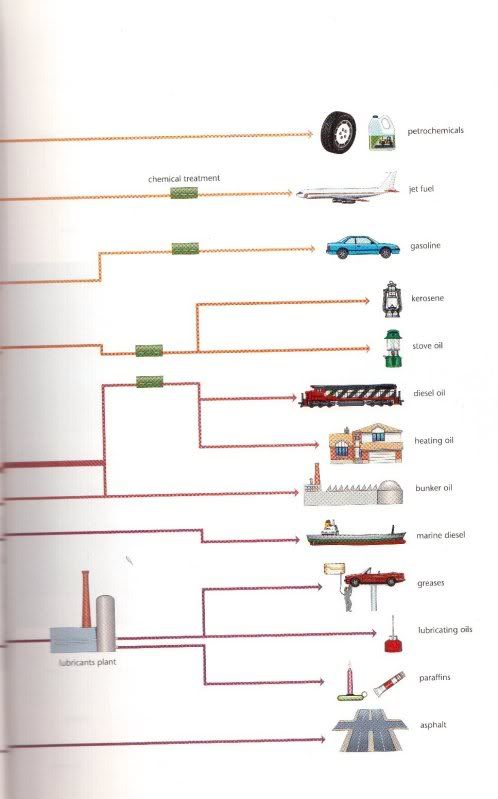
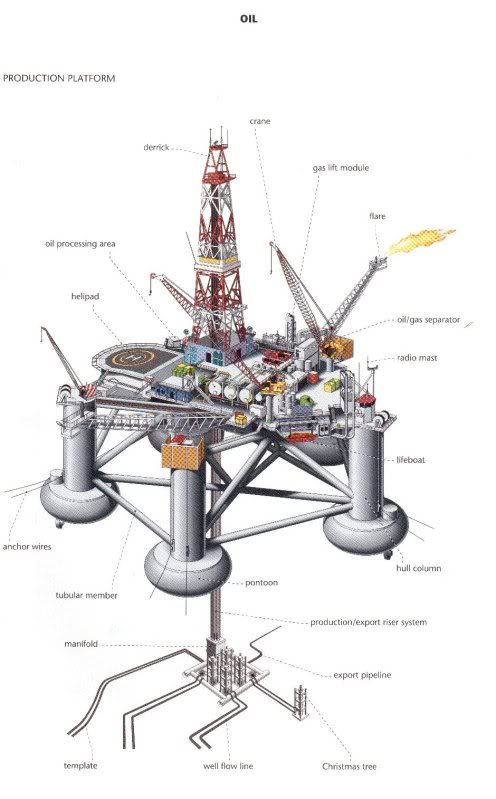
Potential 'buildings':

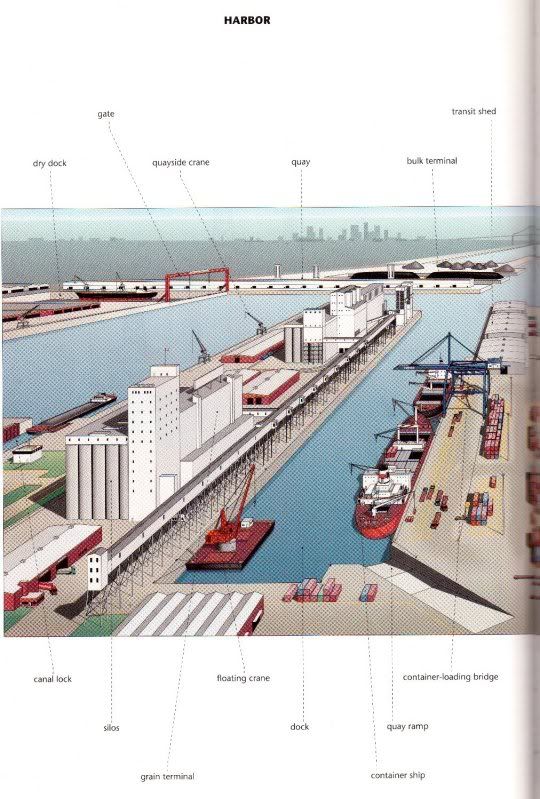
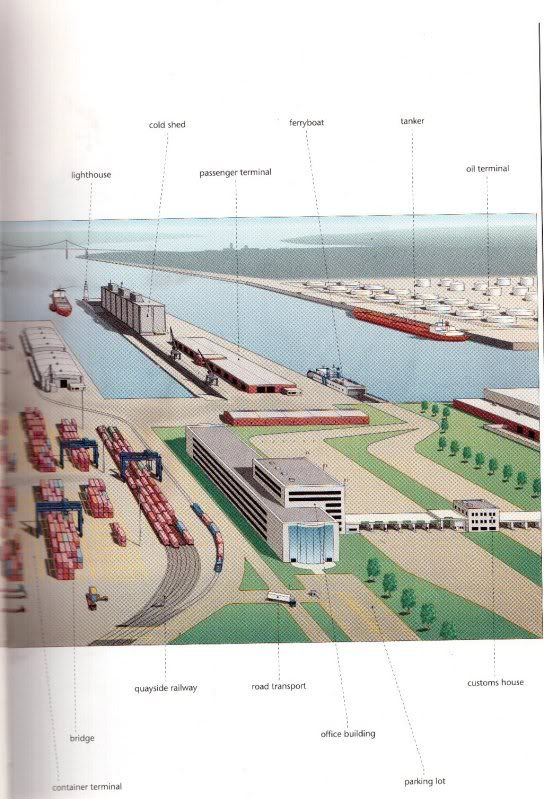
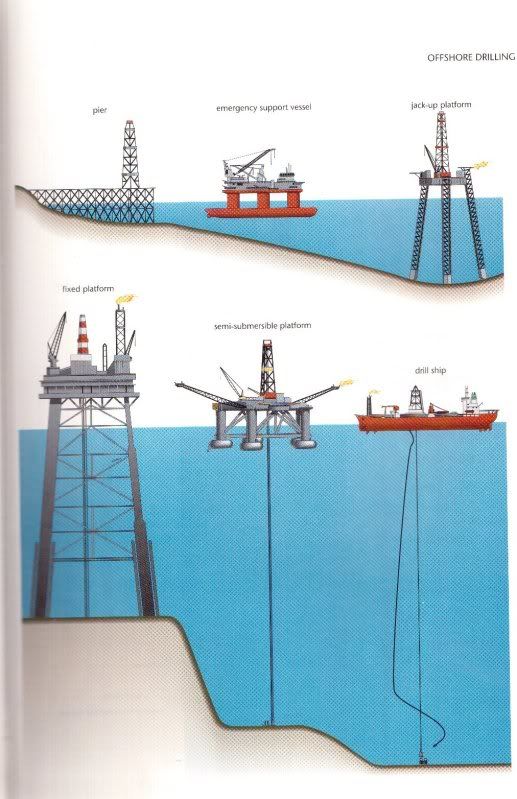
If I add ships to the game,


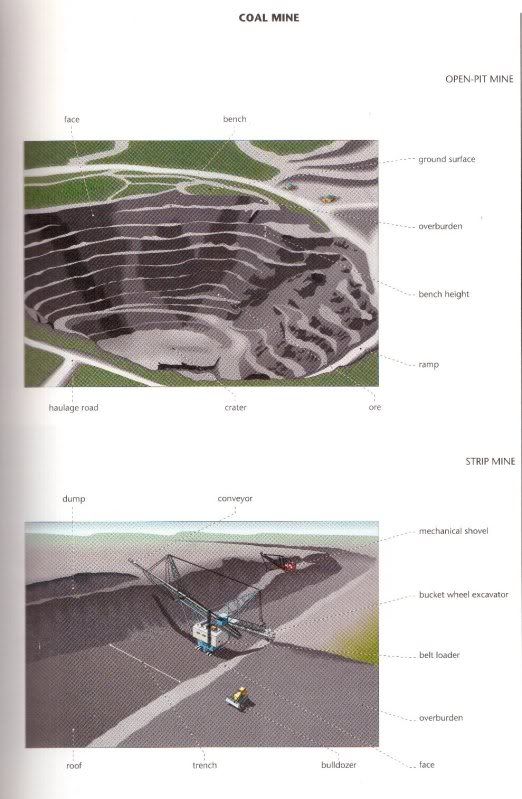
I could make mining really complicated and somehow tie into the heightmap/terrain:

Underground mining too. What would be the difference?


Prinz Eugn posted this in another topic: http://comtrade.un.org/db/mr/rfCommoditiesList.aspx
I started this years ago:

BTW,

I'm interested in how extensive control the players would have over physical topology, land ownership, construction, etc. These come with high potential for degenerate strategies.
I can break construction down into
http://en.wikipedia.org/wiki/Construction_equipment#Types
http://en.wikipedia.org/wiki/Construction_materials
That would require making a special architectural editor/engine too.
If the idea is for the game to show a physically growing city/region like Simcity or Transport Tycoon do, you might want some kind of government AI to automatically build basic road connectivity everywhere, perhaps regulate zoning and do other things.
I'll be programming an AI for corporations that does that.
Also, mercenaries (to be soldiers, tank/mech operators) must be recruited from among labourers and they need to be fed, housed, and paid.
I was going to say something about contracts, where an agent would gain access to a service but with some commitments. e.g. after buying a monthly bus ticket, the agent has a 'sunken cost' that it has to consider when evaluating other forms of transport. So if a better option pops up, they likely won't change at least until their monthly ticket expires.What would you like to see in an agent-based economics simulator?

...
Farms complicate things. Is a farm one 'building' or is it made of grain silos, beehives, etc.?
You could use these kinds of contracts to build hierarchies to solve the farm issue too. E.g. a field can be worked to produce food, but it's owner has specified that that workers can only deliver the food to a specific silo (also belonging to the owner).
As with the bus ticket example, the farm owner might sign a distribution deal with a particular retailer for some time period, where breaking the contract means he has to pay a penalty fee. The retailer may sign a contract with a particular trucking group to move food from the silos to the retailer, etc, etc...
If you could build this reusable economics engine as a stand-alone library, which games could use to create their economies, then I can picture it being quite popular among indies that want to make these kinds of RTS/city-builder games, but don't have the time to build the simulation engine.
I was going to say something about contracts, where an agent would gain access to a service but with some commitments. e.g. after buying a monthly bus ticket, the agent has a 'sunken cost' that it has to consider when evaluating other forms of transport. So if a better option pops up, they likely won't change at least until their monthly ticket expires.
The rational thing to do would be to choose the most cost-effective transport. The bus is free but takes longer (waiting/hopping buses/frequent stops).
profit = time spent working * wage rate - money spent on transport
For bus, money spent on transport is a fixed cost. For car,
money spent on transport = cost of fuel * fuel consumption rate * path length If the cost of fuel, or consumption rate is low, or the path short, cars will be more cost-effective. If a bus pass is already purchased, it's cost = 0 (sunken cost as you said).
But if a bus takes significantly longer, it may be less profitable even if free. The choice must be made before the bus pass is purchased to gain the most benefit.
You could use these kinds of contracts to build hierarchies to solve the farm issue too. E.g. a field can be worked to produce food, but it's owner has specified that that workers can only deliver the food to a specific silo (also belonging to the owner).
I'll add an option to specify storage capacity of different buildings. If 0, they'll move it to a suitable owned building.
And rules for which buildings must be near each other (silo next to field).
As with the bus ticket example, the farm owner might sign a distribution deal with a particular retailer for some time period, where breaking the contract means he has to pay a penalty fee. The retailer may sign a contract with a particular trucking group to move food from the silos to the retailer, etc, etc..
So I would add an option to specify which outputs and which inputs require a distribution deal. Rather, which inputs/outputs are wholesale and which retail (end consumer).
I don't know why a deal with one retailer should prevent them from having a deal with another. PlayStation ships at Futureshop and Best Buy after all.
I'm working on the game for iphone, ipad and android. Check my journal.
http://www.gamedev.net/blog/1512/entry-2256323-next-project/
It's a limited version of the full economic engine I will eventually make.


Polyfrag, here's my question: what is the core appeal of this game?
What aspect of micromanaging an economy do you feel is going to be fun? I'm asking honestly, because I think it's always worth taking into consideration.
For me personally, all the number crunching and statistics in Roller Coaster Tycoon were just the background glue that held together the game's core appeal: pretending to be a miniature Walt Disney, thrilling the hearts and minds of thousands of guests with your creative ideas.
So would your economics game, perhaps, engulf the player into the fantasy of no longer having to wait for politicians to fix problems and taking matters into their own hands? If so, sign me up!!!
Polyfrag, here's my question: what is the core appeal of this game?
What aspect of micromanaging an economy do you feel is going to be fun?
Trying to figure out how to win. How to gain the most profits -- what price to set, what to set the production quota to, where to build. I designed this game without knowing what the winning strategy is.
When you lower or increase a price, I'll try to make it react in an intriguing way instead of there being one dumb strategy.
Increasing the price alienates some clients while earning more from others, depending on their proximity relative to other suppliers. The one who's closest to the clients can set the highest price. Your profits also depend on the price of your inputs. Its most profitable to own your inputs. You won't have the resources in the beginning to build all the necessary buildings, so you depend on others.
When you lower or increase a price, I'll try to make it react in an intriguing way instead of there being one dumb strategy.
Hm, you know for me, a great way to make the effects of your decisions in the game interesting would be the human element.
What if your other main goal was to keep happy the citizens under your jurisdiction? That if they were made unsatisfied, they would stop working, or not work as efficiently. And not just with obvious things like keeping down on crime or fires or pollution, but also for more surprising things that people could have a problem with.
I highly, highly recommend you check out the writings of Thomas Sowell. Two of his books on economics, "Basic Economics" and "Applied Economics: Thinking Beyond Stage One" are very informative, and very engaging. Particularly the first third of Basic Economics. They put a lot of focus on the cause-and-effect relationship politician's decisions have with the economy.
When you lower or increase a price, I'll try to make it react in an intriguing way instead of there being one dumb strategy.
Hm, you know for me, a great way to make the effects of your decisions in the game interesting would be the human element.
What if your other main goal was to keep happy the citizens under your jurisdiction? That if they were made unsatisfied, they would stop working, or not work as efficiently. And not just with obvious things like keeping down on crime or fires or pollution, but also for more surprising things that people could have a problem with.
I was thinking of "utility".
Maybe I have to make a full-fledged simulation with governments and taxes etc. Then crime/fire-fighting/pollution would make sense.
I highly, highly recommend you check out the writings of Thomas Sowell. Two of his books on economics, "Basic Economics" and "Applied Economics: Thinking Beyond Stage One" are very informative, and very engaging. Particularly the first third of Basic Economics. They put a lot of focus on the cause-and-effect relationship politician's decisions have with the economy.
Found the books at a local library. Thanks. I'll post my thoughts as I read.
Um, wow, you're actually going to read them a little bit? Thanks!
I was thinking of "utility".
Maybe I have to make a full-fledged simulation with governments and taxes etc. Then crime/fire-fighting/pollution would make sense.
Now I've hardly played simulation games myself--other than Roller Coaster Tycoon, which I have practically memorized--so I don't know if any of the concepts I could touch on here have already been done in earlier games, but here I go:
>The density of the population effects the way people react to various situations and the politics they support. The population in big cities will tend to think more collectively.
>The people also have an acute sense of whether or not they feel they're being taken advantage of. They will be hesitant if they feel they are losing their freedom. The player might have to find the right balance between ordering her citizens around to maximize productivity, and leaving the simulated people to their own devices to maximize morale.
>I know sim games have disasters that can have natural disasters that wipe out coastlines, and monsters that knock down buildings, but has there ever been a game where revolutions can pop up under the right circumstances? Occupy Wall Street comes down the streets and breaks stuff, or full-on rebels try to tear the city apart altogether.
Yes I'm going to read them. Why not.

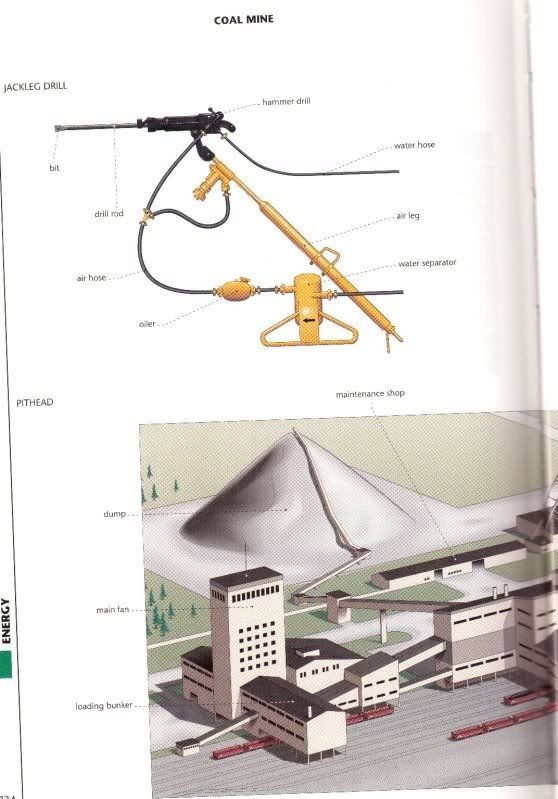
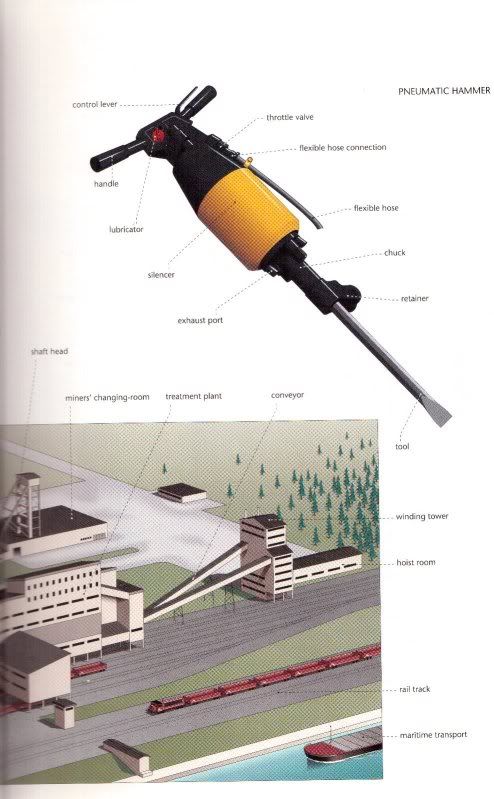
Underground Mine
Can be
- horizontal tunnel carved into hillside with portal outlined by frame of rough-hewn timbers
- more commonly shaft mines where entry is vertical requiring a hoist

Topic Locked
This topic has been locked by a moderator. New replies are not allowed.