
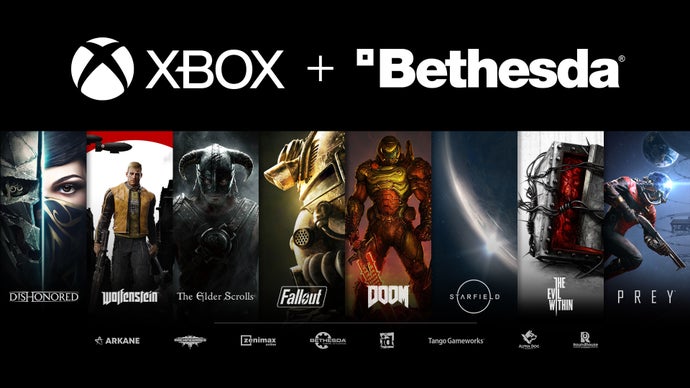
Bethesda pivots to "franchise-centric" planning model amid Xbox restructure
Bethesda is adopting a franchise-centric planning strategy, aligning its development and resource decisions around a smaller set of long-term brands. The goal is to improve stability and focus investment where it can compound over multiple releases, rather than spreading effort too thin across unrelated bets.
For developers, this kind of shift usually changes how projects are evaluated internally: sequels, expansions, and transmedia-friendly IP tend to get more attention, while experimental one-offs can face tougher scrutiny. It can also influence hiring, production planning, and engine/tooling decisions, since shared pipelines and reusable tech become more valuable when a studio is organized around durable franchises.
The timing matters because Bethesda is making this move amid a broader Xbox restructure, which suggests portfolio discipline is becoming a bigger priority across the organization. The exact teams, projects, and roles affected haven’t been disclosed, but the practical takeaway is clear: expect more emphasis on long-horizon planning, brand stewardship, and predictable output.
For game teams outside Bethesda, this is another reminder that AAA planning is increasingly tied to IP economics as much as creative ambition. If you work in production, design, or tech leadership, the interesting question is how to preserve room for new ideas while still building the kind of repeatable pipeline that large publishers now seem to want.
- what
- Bethesda is moving to a franchise-centric planning strategy.
- who
- Bethesda and Xbox are involved in the broader restructuring context.
- when
- The change is happening amid Xbox's current restructure.
- impact
- Development priorities may shift toward long-term franchises, reusable tech, and tighter resource allocation.
More stability, but less room for experimental projects.
Follow Xbox updates
See relevant stories in your personalized news feed.
Discussion