
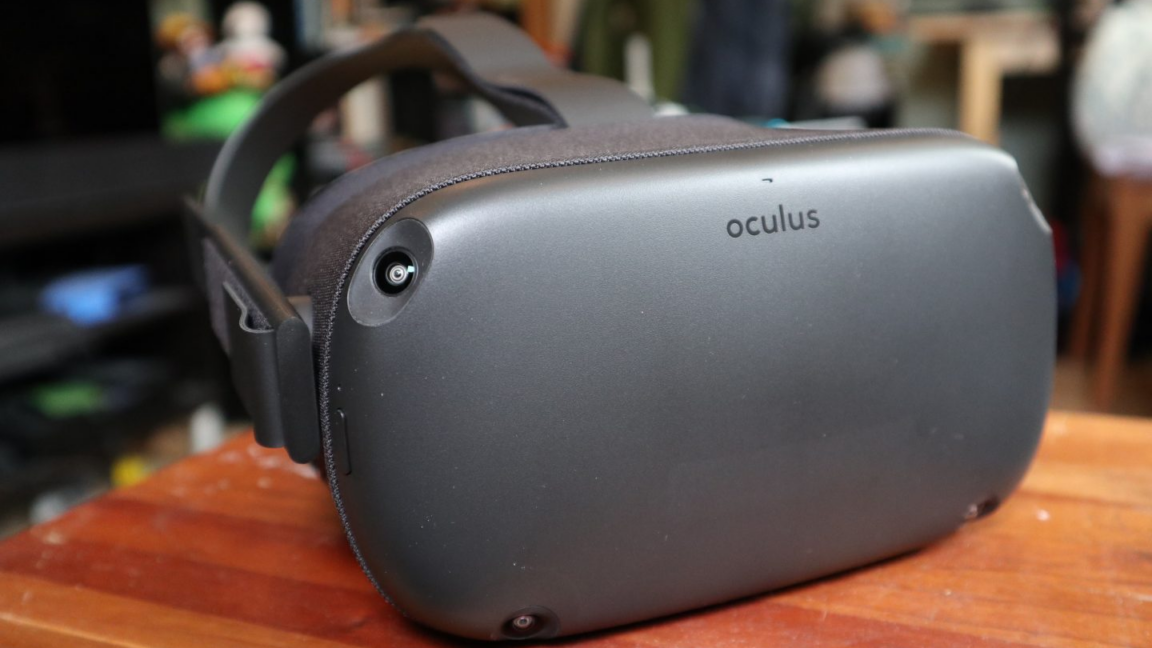
New bootloader lets you take the "Meta" out of the original Meta Quest
Ars Technica details QuestStack, a new bootloader and privilege-escalation chain for the original Meta Quest that gives developers and enthusiasts full root access to the headset. The project stitches together previously known weaknesses in the Quest's Android fastboot path, then streamlines the process so it can be completed from a web interface after connecting the device to a PC.
For developers, the practical value is bigger than just curiosity hacking. Once rooted, Quest 1 hardware can be used without depending on Meta's servers or services, which means sideloading no longer has to hinge on a Meta Developer account and Developer Mode enabled through Meta's mobile app. That makes the headset far more self-sufficient for testing, tinkering, and preservation work.
The timing matters because Meta officially stopped supporting the original Quest in 2023, shifting attention to Quest 2 and Quest 3. QuestStack effectively gives the aging headset a path to stay usable even if Meta eventually shuts down the services that still handle setup and login for fresh devices.
The exact long-term support implications haven't been spelled out, but the broader takeaway is clear: the community has found a way to decouple Quest 1 from Meta's ecosystem. For VR developers and hardware tinkerers, that opens the door to more experimentation on legacy Quest hardware instead of letting it become a dead end.
“developers and enthusiasts full control over Quest 1 hardware”
- what
- QuestStack is a new bootloader and root-access exploit for the original Meta Quest
- who
- Ars Technica reports on the project; it targets Meta's original Quest hardware
- when
- Meta stopped supporting Quest 1 in 2023
- impact
- Enables full root access and sideloading without relying on Meta Developer Mode or servers
Useful for preservation, but born from lost official support.
Follow VR updates
See relevant stories in your personalized news feed.
Discussion