
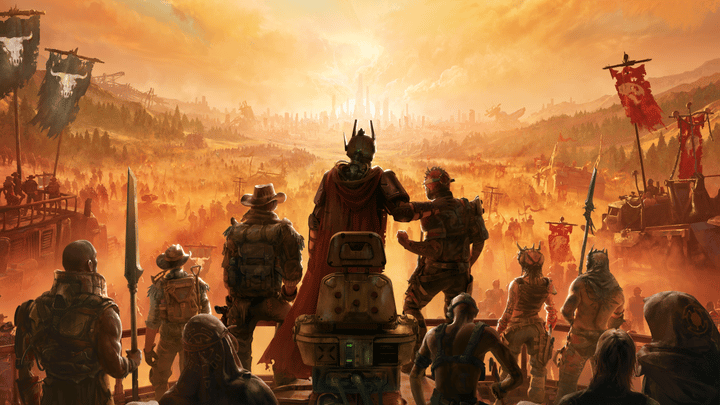
Paradox Interactive's Afterworld wants to entice new players to grand strategy with tasty RPG hooks
Paradox Interactive is positioning Afterworld as a grand strategy game that can welcome newcomers without flattening the genre’s complexity. The design direction emphasizes RPG-style hooks, giving players a clearer personal stake and a more immediate reason to engage with the larger strategy layer.
Game director Dan Lind has framed the challenge as one of accessibility, not simplification. Grand strategy can be intimidating when it asks players to absorb a huge map, layered economies, diplomacy, and long-term planning all at once, so Afterworld is being built to create a more inviting on-ramp.
For developers, the interesting part is the balance: how do you preserve the systemic depth that makes grand strategy compelling while reducing the early friction that drives new players away? That usually means careful onboarding, stronger moment-to-moment goals, and progression hooks that make the first hours feel personal rather than purely managerial.
The broader context is familiar across strategy games: the audience is passionate but niche, and growth often depends on making the first session less like homework. If Afterworld lands, it could be another example of how genre hybrids can expand reach without abandoning the core simulation and decision-making that veteran players value.
“invite new players into a sprawling game”
- what
- Paradox Interactive’s Afterworld is being designed to attract new players to grand strategy with RPG-style hooks.
- who
- Game director Dan Lind is explaining the game’s accessibility-focused direction.
- impact
- The approach aims to lower the entry barrier for players who find grand strategy intimidating.
- context
- The design challenge is balancing approachable onboarding with the depth strategy fans expect.
Broader reach is promising, but depth/accessibility tradeoffs remain risky.
Follow paradox interactive updates
See relevant stories in your personalized news feed.
Discussion