
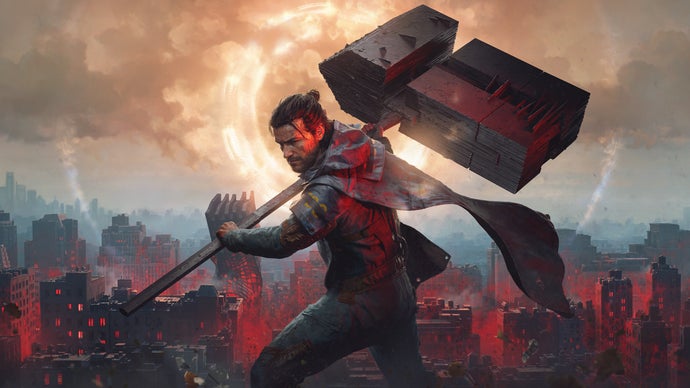
Why switching main characters for your game's sequel might be a mistake
GamesIndustry.biz reports Christian Fonnesbech making a blunt case against changing a franchise’s main character in a sequel. The Leverage founder argues that once players bond with a lead, that character becomes part of the game’s emotional payoff, commercial identity, and long-term brand value.
His core point is that studios often underestimate how rare it is to create a hit in the first place. If a game has already found a character that resonates, he says, replacing that lead is a major bet that risks discarding the very thing that made the IP work. He frames the issue as both creative and business-related: a new protagonist can be artistically valid, but it may also blur what the franchise is “about.”
Fonnesbech uses Hades 2, Control Resonant, and God of War Laufey as examples of the tension between freshness and continuity. He sees Hades 2 as a strong artistic choice but questions whether the sequel preserves the same franchise identity, while arguing that God of War’s 2018 reboot worked because it kept Kratos at the center while changing the emotional context around him.
For developers, the takeaway is less “never change anything” and more “know what your audience is actually buying.” Fonnesbech says familiarity lowers purchase risk, and that the safest reinventions tend to preserve the core character bond even when the setting, tone, or mechanics evolve.
“The character is the easiest thing to own in a court of law.”
- what
- Christian Fonnesbech argues sequel leads should usually stay the same to protect franchise identity
- who
- Fonnesbech, founder of Leverage and former Nordisk Film Games IP development head
- who
- He cites Hades 2, Control Resonant, and God of War Laufey as examples
- impact
- Changing protagonists can weaken player attachment and brand continuity
Strong franchise advice, but warns against risky sequel changes
Follow sequels updates
See relevant stories in your personalized news feed.
Discussion