
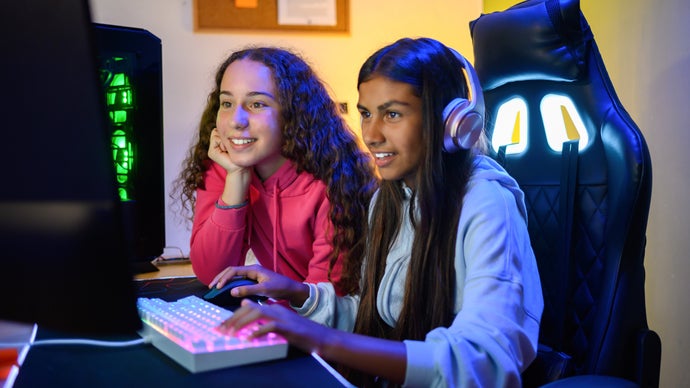
Video games aren't the enemy of kids' mental health – ignoring them is | Opinion
GamesIndustry.biz argues that the industry and parents should stop treating games as a single, harmful bucket of “screen time.” The piece frames gaming as a mixed environment: some spaces can worsen anxiety or compulsive habits, but others can be a genuine support system for kids who struggle socially or need a place to feel capable.
The practical takeaway for developers is that context matters as much as content. Healthy play is shaped by community design, moderation, social features, and whether the experience encourages connection or exploits compulsion. That puts responsibility on studios, platform teams, and community managers to think beyond engagement metrics and consider how players feel when they log off.
The piece also highlights Safe In Our World’s work with studios and clinicians, aiming to give teams and parents better tools rather than defaulting to restrictions. It specifically points to Roblox’s new “Family Zone” as an example of a parent-facing feature that can help adults understand what their children are doing in-game and why it matters.
The broader message is that fear-driven headlines miss the nuance many developers already see in live games: for some kids, games are where they first find friendship, mastery, and a sense of belonging. The real risk, the piece argues, is ignoring that complexity and making policy decisions without understanding what the game is actually providing.
“The loudest narrative is usually the least useful one.”
- what
- GamesIndustry.biz argues games are not inherently harmful to kids' mental health; context determines impact.
- who
- The piece is written from the perspective of Safe In Our World charity director and references parents, researchers, studios, and clinicians.
- when
- Published around World Mental Health Day; it also references Roblox's new Family Zone.
- impact
- Developers should think about community design, moderation, and compulsion risks alongside engagement.
Pushes back on panic, but stresses real risks and responsibility.
Follow mental-health updates
See relevant stories in your personalized news feed.
Discussion