
Pathfinding concepts, the basics
Understanding the basic concepts of efficient and accurate pathfinding.
The problem
Pathfinding is a domain in computing science that is widely known to be complex since most of the paper/explanation comes from expert/mathematician/AI veterans. Applied to games, it gets more complex as you get into optimizations more often than basic explanations. True, it is a complicated subject: it needs to be efficient and also be accurate.The compromises
When you try to achieve both efficiency and accuracy, you will certainly need some very heavily-optimized code. So for games, we'll need to state some compromises. Do we actually need the shortest path or having a path at all will suffice? Can our level/terrain can be simplified into a basic layout? Those two questions are the fundamentals of the compromises: sufficient and simplistic. For games, an AI moving toward an objective will be sufficient enough to be believable. And to obtain good performances and efficient work flow, we'll need to break down our level into a more simplistic representation.The theory
Pathfinding is a complex process that we can split down into three components: the spacial representation, the goal estimation and the agent. The spacial representation, also known as the graph, is a means to describe a network of inter-connected walkable zones (roads, floors, ...). The goal estimation, known as an heuristic, is a general representation to where might be the goal. This is a mere estimation that is needed to speed things up. Finally, the agent is the one responsible for actually searching through the spacial representation based on the goal estimation. Putting this together you get an agent searching for a goal on a spatial representation with some hints to where it might be. Simple enough? But why do we need these three components? Why can't we just use a spatial representation and iterate through all the zones till we find our goal? Yes you could, but it depends on what you are trying to achieve. What if you have different types of enemies? Say we have a soldier and a tank heading toward the player. A tank can't go in tight spaces and can not make sharp turns. How would you represent both in a one component? With the three components above, both units are walking on the same terrain, looking for the same goal, the player, but have their own limitations: you got a spatial representation, a goal and two agents. That is why pathfinding is always explained as three distinct components.The graph
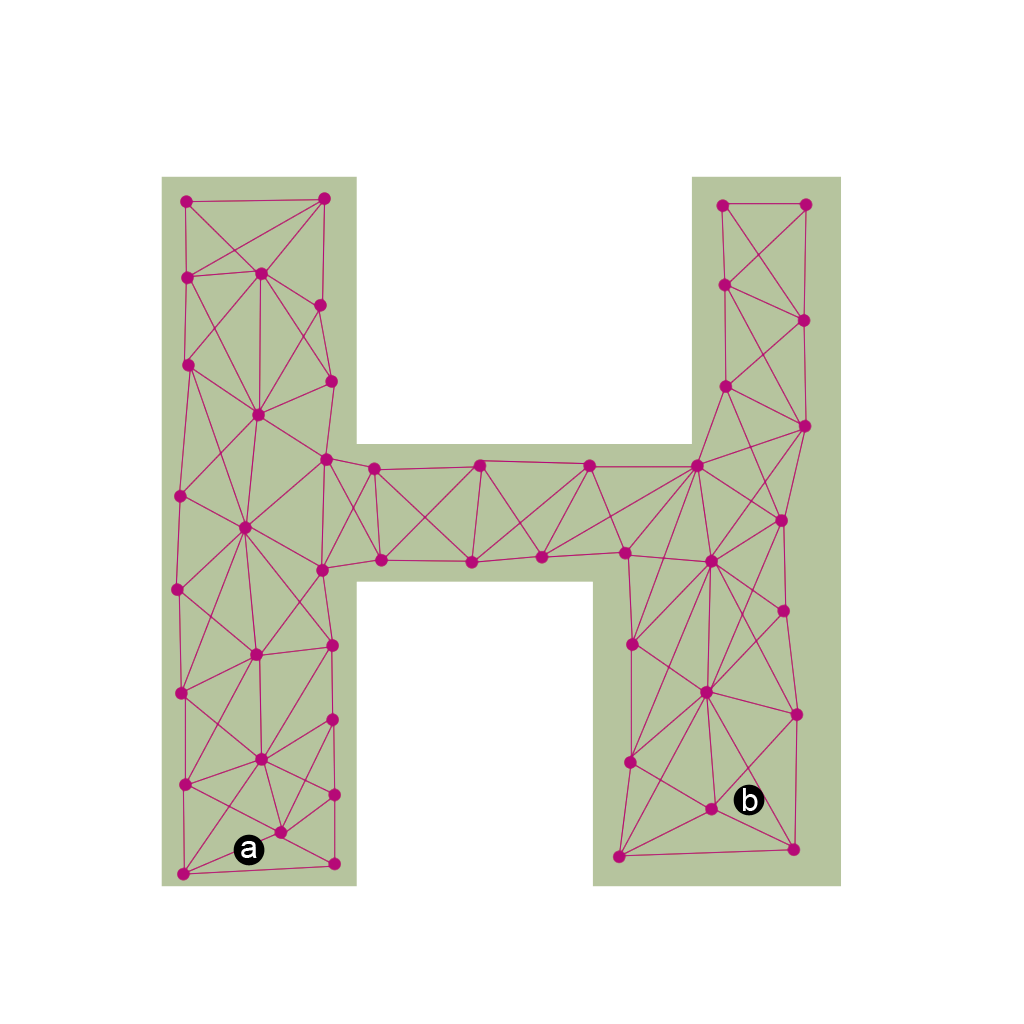
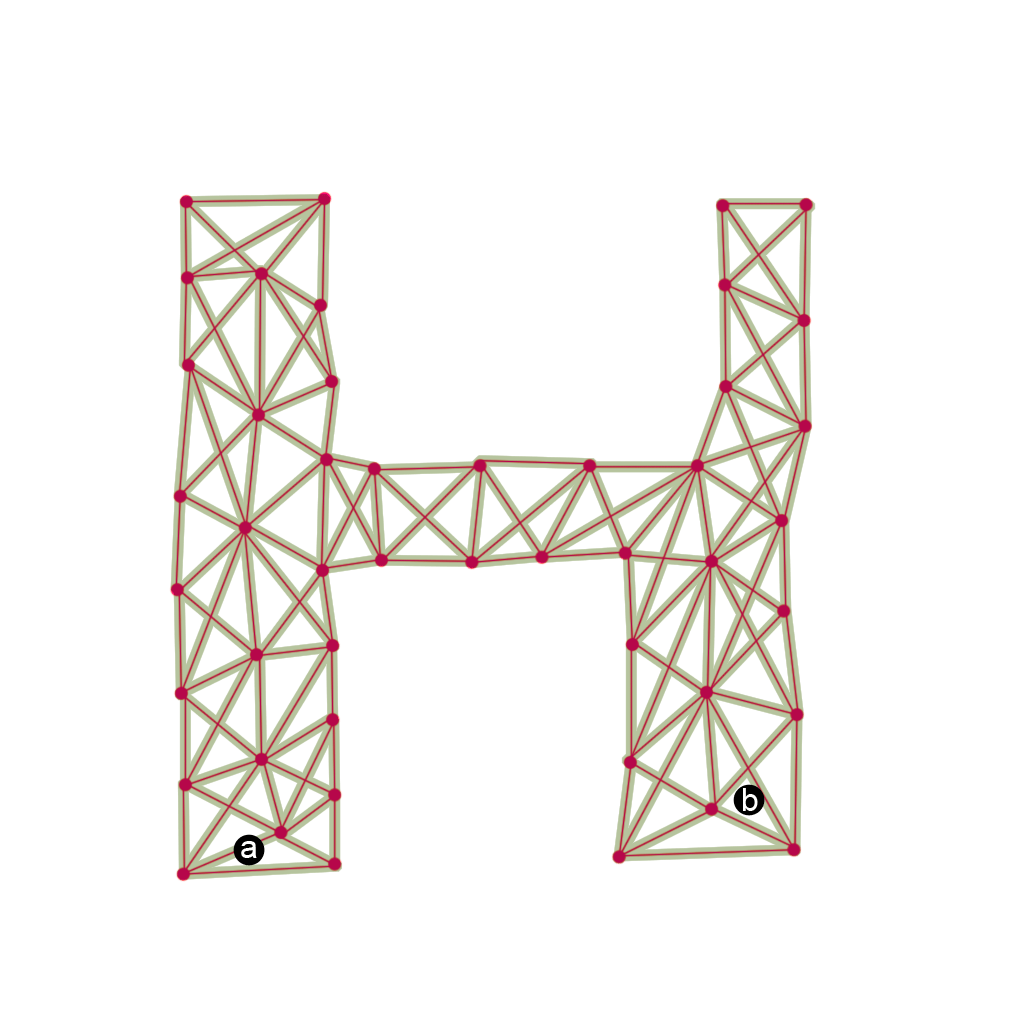
There are several ways to represent a graph of walkable zones and I'll be describing the three most used throughout my research. The first one, the most basic and easiest to understand is the grid. This is the most-explained type of graph when it come to pathfinding, go ahead and google "A star search algo" and you'll most likely find an evenly spaced grid that covers a square room/space. Let's take a look on a simple "H" shape.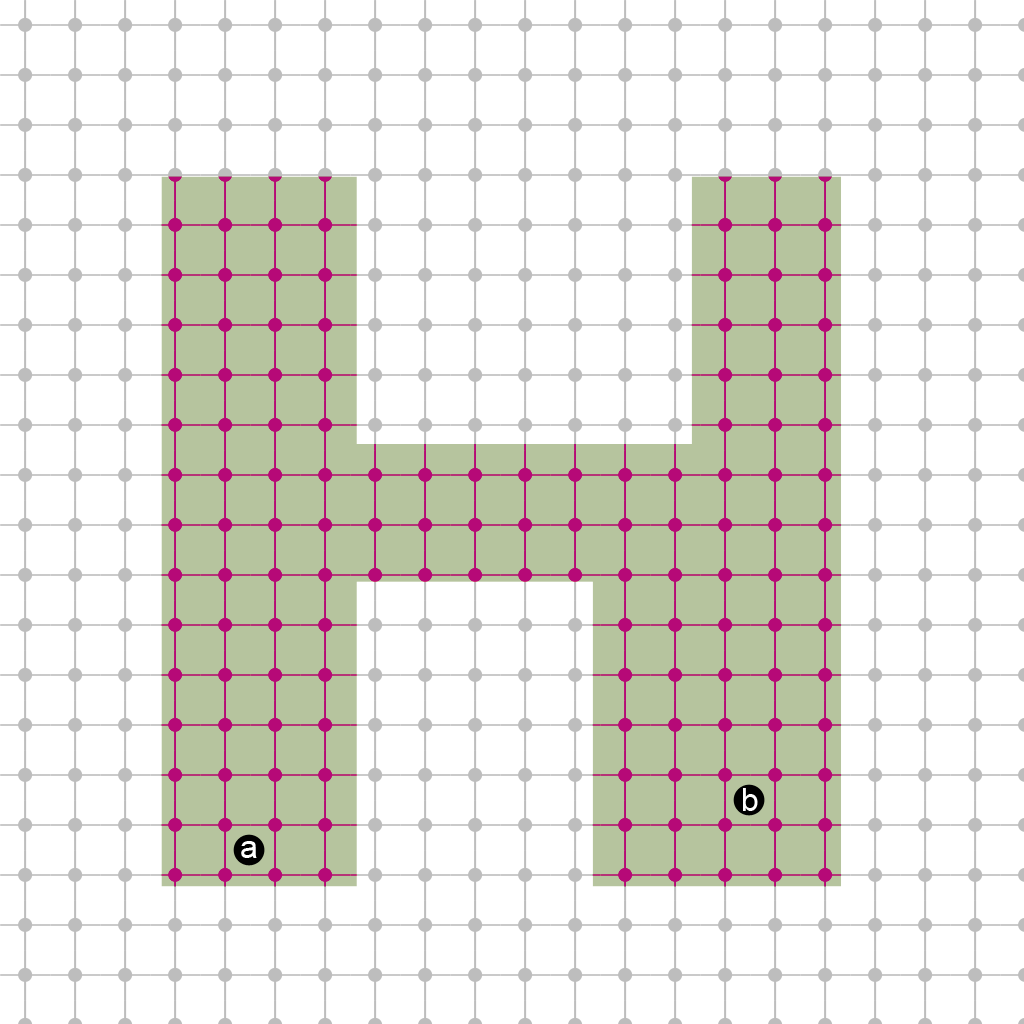
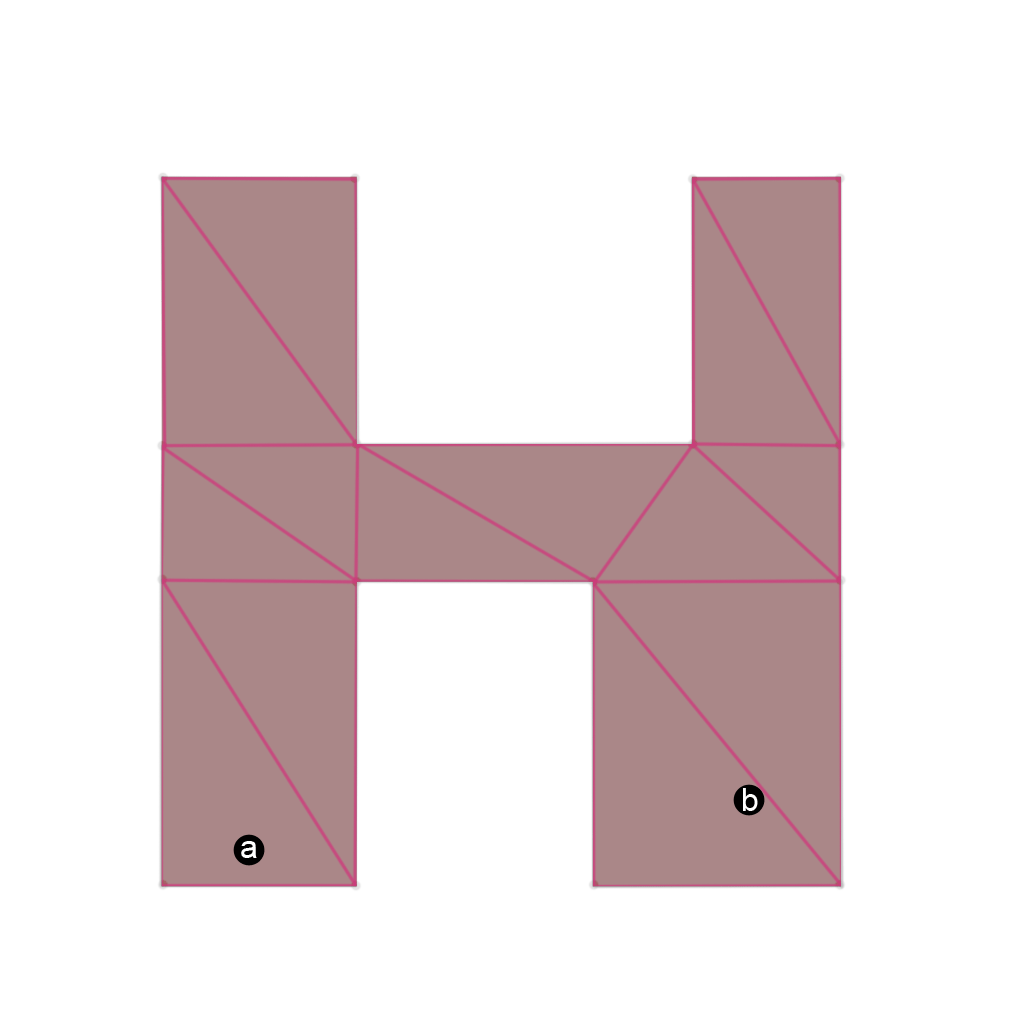
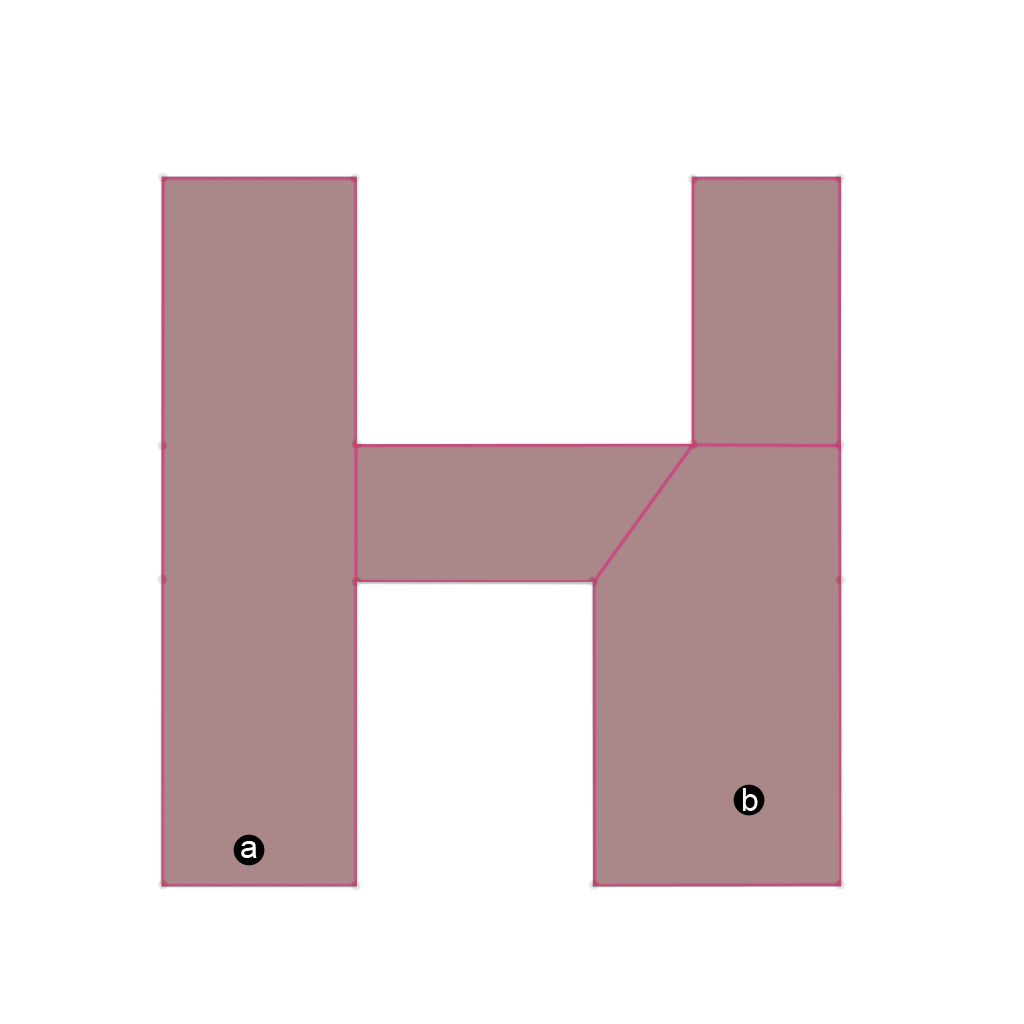
The heuristic
The heuristic is an information that is provided to each node of your graph to direct the search algorithm toward the target(s). Acting like a heat map, your search algorithm will look into this map to prioritize nodes.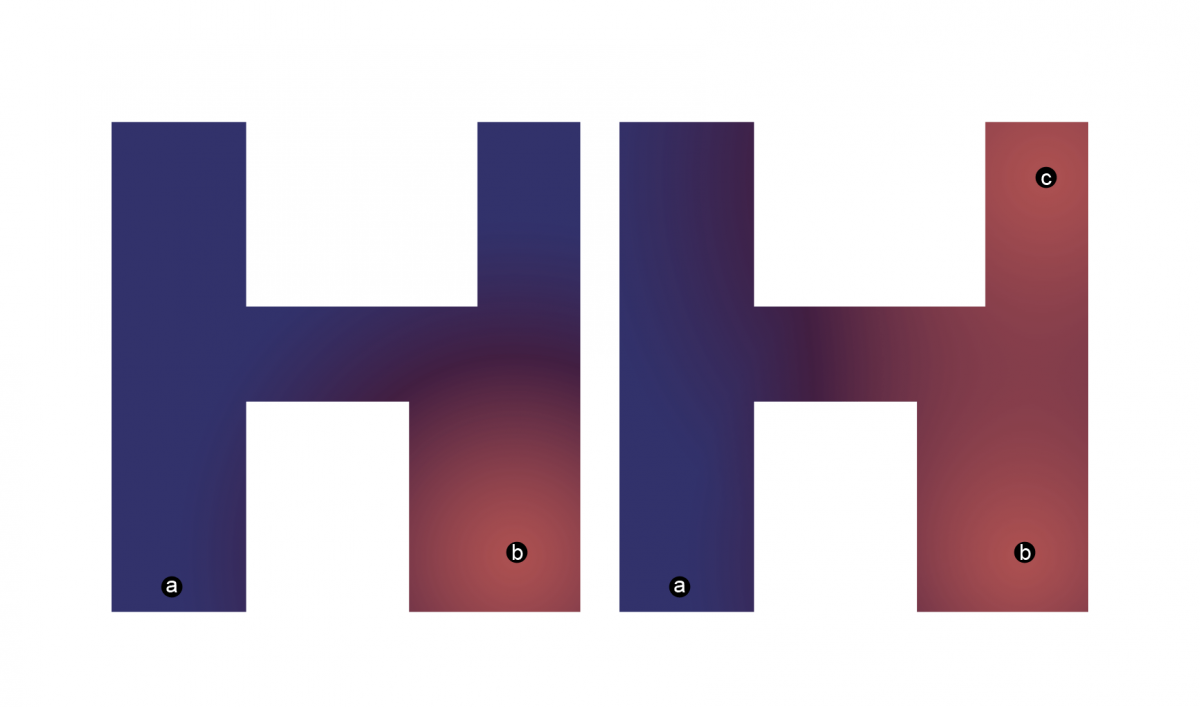
The agent
This is where the search algorithm is performed. With a network and heuristic, a basic A* (pronounced "a star") algorithm can find the shortest path between two nodes. A* algorithm is really well documented and is pretty simple to implement (under 50 lines of code), so I don't have anything more to say on that topic.The result
At this point, the agent found a path of nodes toward the target. As stated in my previous posts of April, Pathfinding 101 and Pathfinding 102-ish, we'll need to find a way to optimize the path into a list of waypoints. This is where I struggled the most, I tried to find an algorithm that would optimize the path based on my understanding of the Funnel algorithm. And then I found a simple implementation in C++ (first result on google). It does work perfectly and it only requires a list of portals to walk through, so it will work with any graph you decide to use.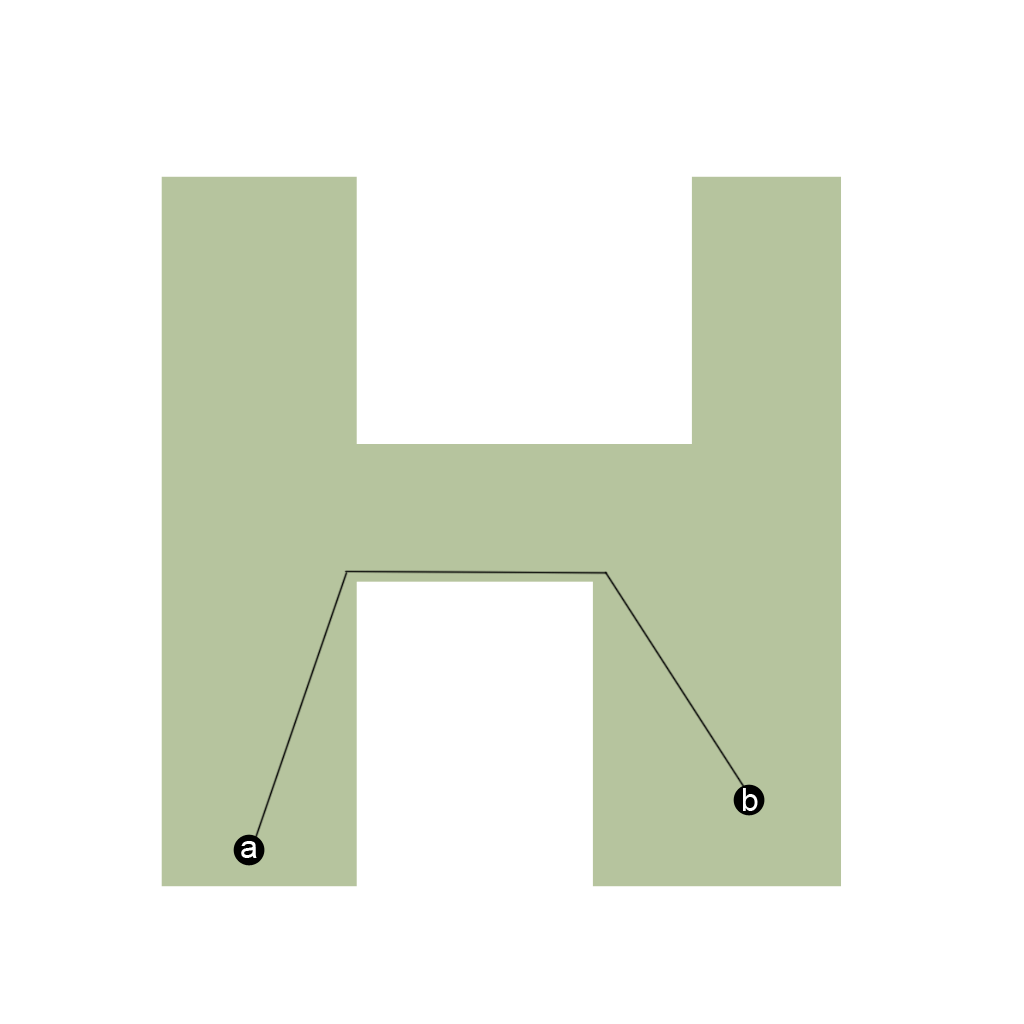
Demo
A tech demo that combines everything discussed in this article.Implementations in Unity3D
- Aron Granberg's Pathfinding v3.0 is looking awesome; grid and navmesh graph + Recast; free and pro licence (not yet released)
- Alex King Simple Path; grid graph only, doe not support height properly; pro licence only (60$)
- Unity3d road map includes Recast + Pathfinding + Crowd simulation for its v3.5 (fall 2011)
- Your own implementation (to be released)
Related Tutorials
Balancing Game Development and Creative Direction in Indie Production
A practical look at how indie developers can balance creative direction with hands-on game development. This article co…
 huseyin_onur
My Unreal Engine Development Process: From Core Idea to Playable Build
A practical overview of my Unreal Engine development process, covering how I move from a core game idea to a playable b…
huseyin_onur

Introducing LaneGraph: The Ultimate Road Network Solution for Unity
Discover the power of LaneGraph, a lightweight and flexible lane-based navigation system for Unity. LaneGraph makes it…
Retargeting Mixamo Characters with Root Motion In Unreal Engine 5.4.
I have always found Retargeting Mixamo Characters To have Root Motion is a serious lengthy Tast, Recently I stumbled up…

How To Make A SIMPLE Main Menu In Unity
In this tutorial for unity, i go over how to make a simple main menu for unity, it's an unlisted video because i do not…
 FlipThaSwitzh

Guide to Gameplay Balance
A perspective on competitive gameplay balance, from a background of "shooter" sandbox design.
 Tucker933
Discussion
More from Michael Grenier
Reverse-Normal 3d Outline Tutorial
A simple trick for getting a crisp outline on a 3d mesh.

Color Palettes
Creating a custom color palette can be a very satisfying and powerful way to establish your own unique look. I'll guide…
Composition 101: Balance
What are the principles of Balance in Composition? Otto Ostera discusses the 3 elements of balance: shape, direction, a…
Discussion