
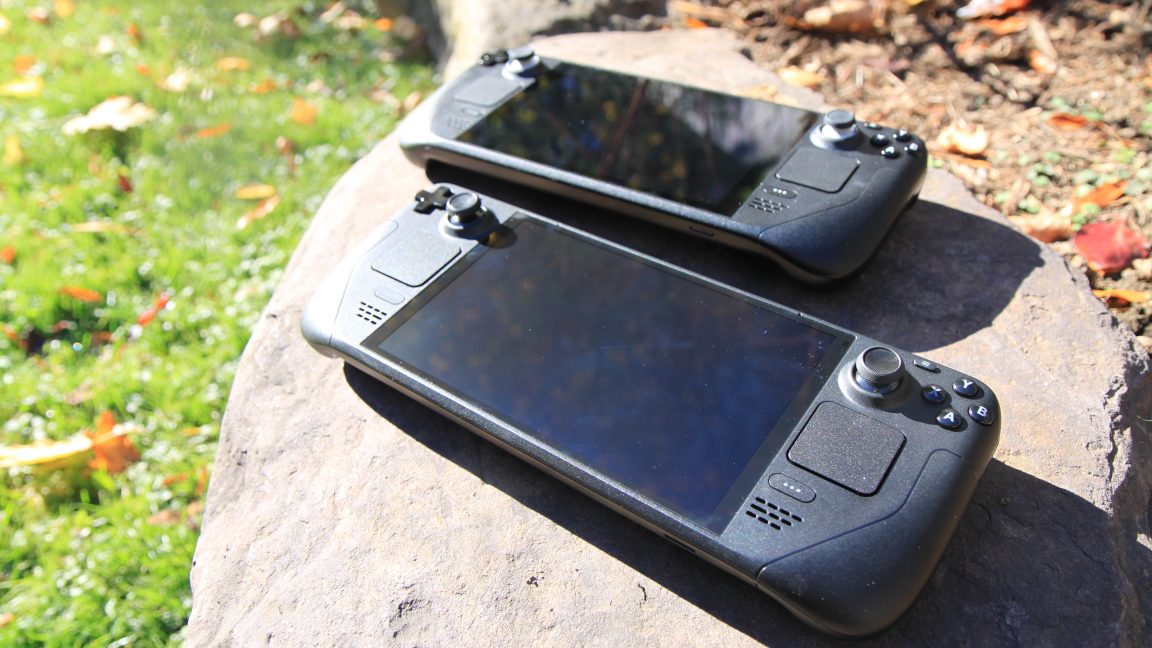
Sales of Valve's Steam Deck crater after recent price hike
Steam Deck demand has cooled noticeably since Valve relaunched the handheld at a higher price in May. Historical Steam sales charts show the device sliding from fifth place right after orders resumed to 14th place for two weeks in early July, with the current chart placing it at 12th. That’s a steep drop for hardware that has usually been a fixture near the top of Valve’s revenue rankings.
The shift matters because Steam Deck has become one of the clearest signals for Linux-friendly PC gaming momentum. A weaker sales run doesn’t mean the platform is disappearing, but it does suggest slower growth in the audience developers can expect to reach through Deck-optimized builds, controller-first UI, and Proton compatibility testing. For teams tracking platform mix, that can affect how aggressively they prioritize Steam Deck-specific polish versus broader PC support.
The decline also follows a rough stretch earlier in the year. Valve warned of intermittent shortages starting in February, which pushed the Deck down the charts before it went fully unavailable until May. In 2025, by contrast, the device rarely fell outside the top five and never dropped below seventh place, making the post-price-hike slide stand out even more. The practical takeaway is simple: pricing and availability are still moving the needle hard on PC hardware adoption, even for a well-established device.
“intermittent shortages”
- what
- Steam Deck sales fell sharply after Valve raised the handheld’s price in May.
- who
- Valve and Steam Deck buyers are involved; chart data was tracked by Boiling Steam.
- when
- Orders resumed in late May; the device hit 14th place in early July and sits 12th currently.
- impact
- Slower Steam Deck growth can affect how much teams invest in Deck-specific optimization and Linux/Proton testing.
Higher price appears to have reduced Deck sales momentum.
Follow Steam updates
See relevant stories in your personalized news feed.
Discussion