
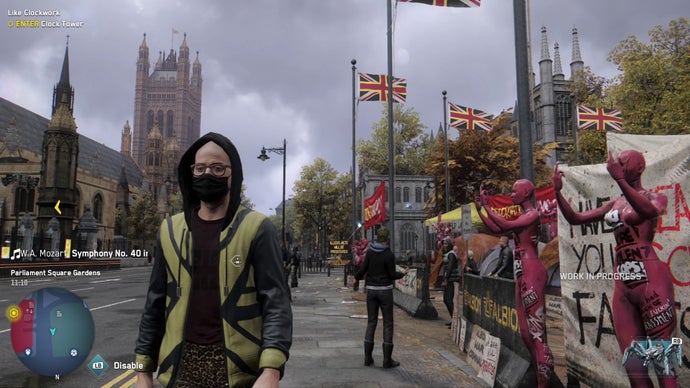
Why new EU deepfake legislation means games need to be careful when featuring real-world people and locations
The EU AI Act’s deepfake transparency rules are now a real production concern for game teams, with disclosure obligations applying from 2 August 2026. The definition is broader than the usual “fake video” shorthand: it covers AI-generated or AI-manipulated audio, video, and images that resemble real or plausibly real people, places, objects, entities, or events and could be taken as authentic.
Recent European Commission guidance gives studios some welcome breathing room. Common game uses such as AI voice work for fictional characters, fantasy environments, and background or post-processing effects are unlikely to count as deepfakes when there’s no deception about identity or reality. That matters because a lot of routine AI-assisted content in games sits comfortably in the creative-fictional lane.
The grey area starts when games lean on realism. Recreating a celebrity voice, depicting a real athlete or historical figure, or generating photorealistic promotional material around real-world events can trigger the label requirement. The same goes for marketing assets outside the game itself: trailers, billboards, influencer campaigns, and social posts can all fall under the rule if they’re distributed in the EU.
The practical takeaway is that studios need a content policy, not just a legal memo. Teams should be trained to ask whether the content depicts something real or plausibly real, whether it looks highly realistic, whether audiences could believe it’s authentic, and whether it will reach the EU. For most studios, the challenge is less about banning AI and more about...
“The key question is whether the AI content could lead people to believe they are seeing or hearing something real.”
- what
- EU AI Act deepfake transparency rules require labels for certain AI-generated or AI-manipulated audio, video, and images.
- who
- European Commission guidance clarifies how the rules apply to game studios and game marketing.
- when
- Transparency obligations apply from 2 August 2026; Commission guidance was released on 21 July.
- impact
- Games using realistic AI depictions of real people, events, or places may need disclosure, including in trailers and ads.
Useful clarity, but more compliance work and risk.
Follow AI updates
See relevant stories in your personalized news feed.
Discussion