
How Limbitless Solutions is redefining adaptive sports with real-time 3D
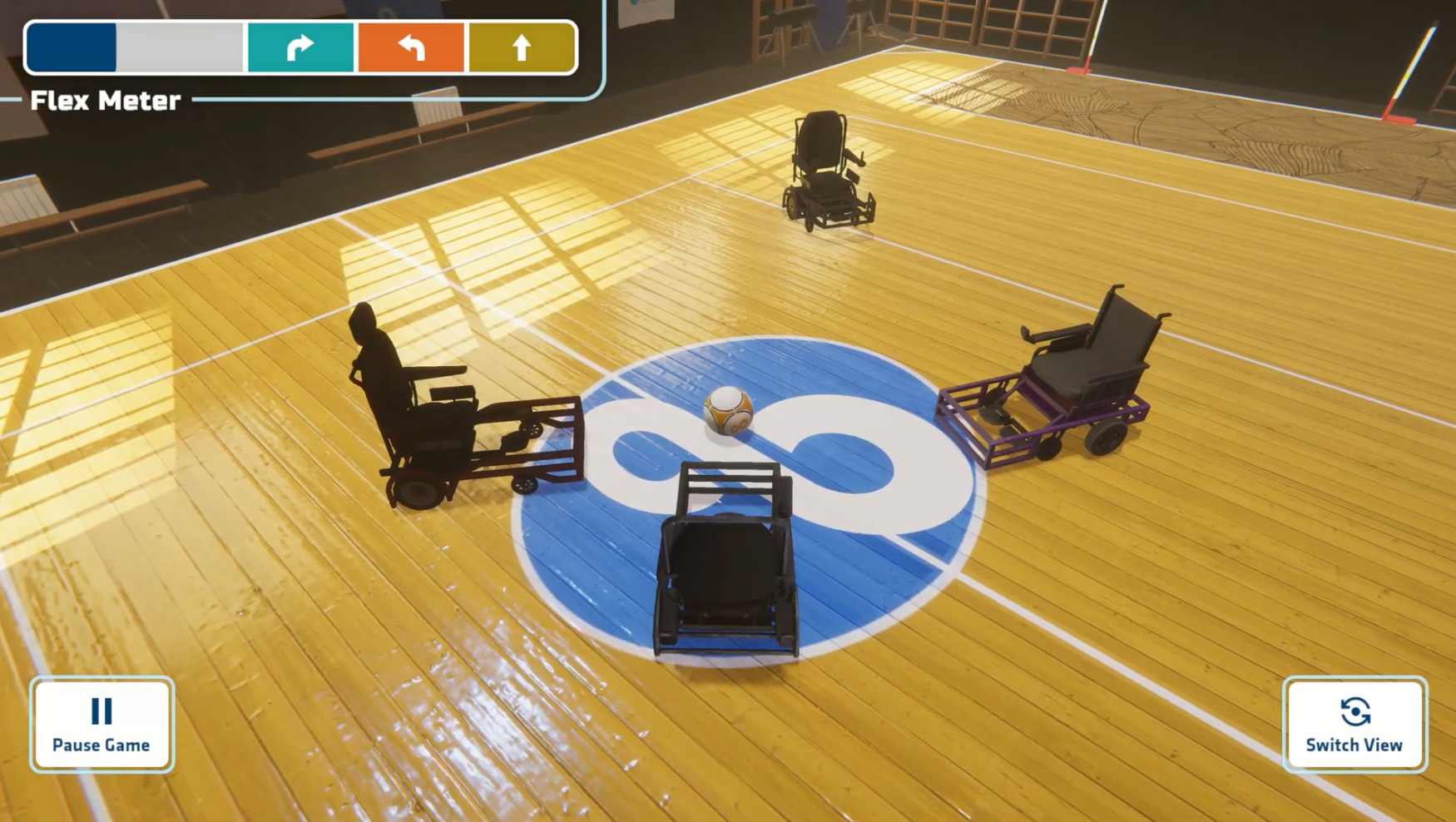
Unity details how Limbitless Solutions is applying real-time 3D to adaptive sports through Project Xavier, a system that uses facial muscle controls to drive interaction. The goal is to make wheelchair mobility training and sports-style experiences more accessible for users who may not be able to rely on standard gamepads or motion input.
The interesting part for developers is the input model: facial muscle signals become a control surface, which opens up a different set of design constraints around latency, calibration, readability, and fatigue. That makes this relevant not just to accessibility teams, but also to gameplay, UI, and technical art folks thinking about how to map nontraditional input into responsive experiences.
Project Xavier also shows how real-time 3D can be used outside entertainment, especially where training and motivation matter as much as simulation fidelity. The exact production pipeline and hardware stack haven’t been fully detailed here, but the broader takeaway is clear: accessible interaction can be built into the experience rather than bolted on afterward.
For studios exploring inclusive design, this is a useful reminder that accessibility can be a core mechanic, not just an options menu. It also highlights how Unity’s ecosystem can support experimental input schemes when teams want to prototype for users with very different physical capabilities.
- what
- Limbitless Solutions’ Project Xavier uses Unity and facial muscle controls for adaptive sports and wheelchair mobility training.
- who
- Unity and Limbitless Solutions are the organizations highlighted.
- impact
- Shows a nontraditional input approach that may inform accessible game and training design.
- context
- Real-time 3D is being used for accessibility-focused interaction, not just entertainment.
Strong accessibility use case for real-time 3D
Follow Unity updates
See relevant stories in your personalized news feed.

Discussion