
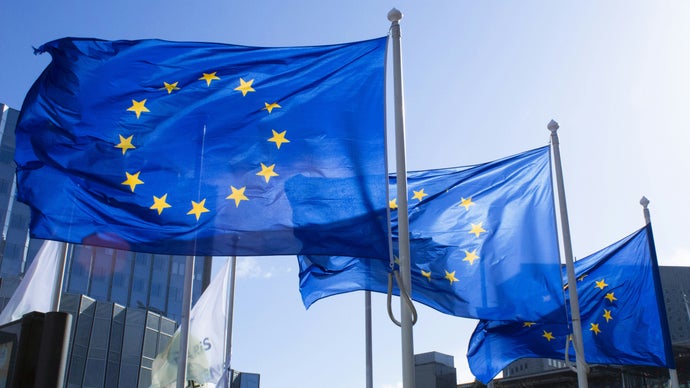
Draft of new EU law proposes sweeping restrictions on online games
GamesIndustry.biz reports that the EU Commission has published a draft of the proposed KIDS Act, and the current wording reaches well beyond social networks into online games. If it survives the legislative process, it could apply to any online game sold in EU territories, with a definition broad enough to catch everything from live-service worlds to multiplayer modes in boxed games.
For developers, the most immediate concern is the language around excessive use. Features such as login bonuses or mechanics that penalize players for taking breaks could run into trouble, especially in persistent or retention-driven games. The draft also says contact between minors and other users must be restricted, which points toward stronger moderation, parental controls, and age assurance requirements for affected titles.
The monetization angle is equally important. The draft references transparency around the real monetary value of virtual currency transactions and variable reward systems, which will sound familiar to anyone following lootbox and currency-disclosure debates. But the text is inconsistent: that language appears in the recitals for games, while the operative provisions seem to limit the transaction rules to social networks and video platforms, leaving room for interpretation or revision.
The KIDS Act would be a regulation, so it would apply directly across EU member states once approved. It still needs sign-off from the European Parliament and member states, but even in draft form it signals a more aggressive regulatory approach that could affect design, monetization,...
“Providers of online games shall... ensure that excessive use by minors is not encouraged.”
- what
- Draft EU KIDS Act proposes new restrictions that can apply to online games sold in EU territories.
- who
- EU Commission; GamesIndustry.biz; Dr Andreas Lober of ADVANT Beiten is cited in the source material.
- when
- The draft has been published; it still needs approval from the European Parliament and EU member states.
- impact
- Could affect retention mechanics, social features, parental controls, age assurance, and monetization transparency.
Could add broad compliance and design constraints
Follow regulation updates
See relevant stories in your personalized news feed.
Discussion