
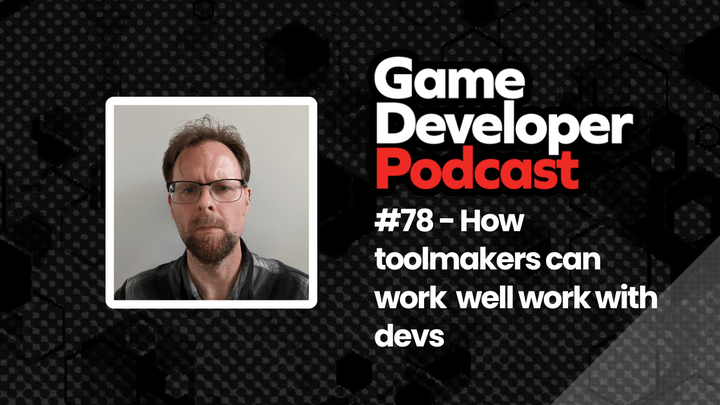
How toolmakers like ARM work with devs, ft. Peter Hodges
Game Developer details a conversation with ARM’s Peter Hodges about how toolmakers work with game developers, alongside a discussion of the 1969 seven-minute short film Lemon. The practical takeaway for teams is that tooling is part of the product experience: better collaboration between engine, content, and platform specialists can reduce friction long before a game ships.
For developers, this kind of relationship matters most when a platform vendor can surface profiling, debugging, and optimization guidance that maps cleanly onto real production workflows. That can affect everything from shader iteration to asset validation and performance triage, especially on mobile and other constrained hardware where vendor insight can save weeks of guesswork.
The broader context is that toolchains increasingly define how quickly teams can ship and how confidently they can target multiple devices. When hardware companies engage directly with studios, the value is often less about flashy demos and more about making the day-to-day path from prototype to performance budget less painful.
The Lemon detour adds a lighter note, but the core story is about collaboration: toolmakers that understand developer pain points can influence adoption, support quality, and the practical ceiling of what teams can build. Exact product details or announcements aren’t the point here; the useful angle is how vendor relationships shape production reality.
- what
- Game Developer published a conversation about game development tools with ARM's Peter Hodges.
- who
- ARM's Peter Hodges and Game Developer.
- when
- No specific date or release window is given in the source material.
- impact
- Relevant to teams relying on vendor tooling for profiling, debugging, and optimization.
Informational discussion, no clear win or loss
Follow tools updates
See relevant stories in your personalized news feed.
Discussion