
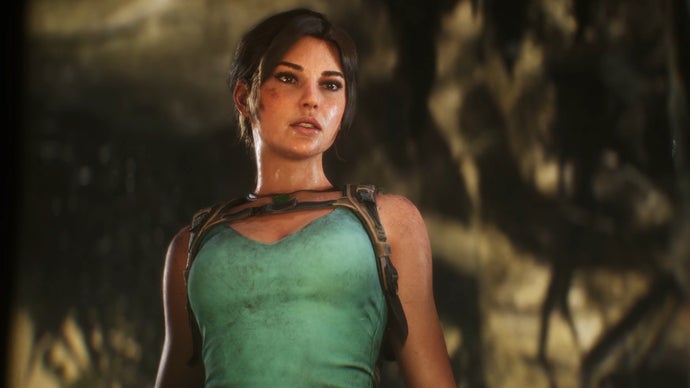
Crystal Dynamics using generative AI for early prototyping, but "finished content is human-created"
Crystal Dynamics has clarified how generative AI fits into Tomb Raider: Legacy of Atlantis after backlash over its Steam disclosure. The studio says AI is being used at the front end of production, not to ship final assets, with the goal of helping teams iterate faster and decide whether an idea is worth full development.
Experience director Jeff Adams gave the clearest example: during early level development, the team may use a generative tool to mock up an in-game object in context before deciding whether to spend time building it traditionally. If it works, it moves into the normal production pipeline; if not, it gets dropped before consuming more art and engineering time.
For developers, the practical takeaway is that Crystal Dynamics is framing AI as a pre-production accelerator rather than a replacement for authored content. That distinction matters because it affects pipeline design, review standards, and how studios communicate AI usage to players and storefronts. The company is also explicitly tying the approach to human ownership of final content.
The broader context is that AI remains contentious in game dev. GamesIndustry.biz cites a GDC survey where 36% of developers reported using AI, while another survey found most developers want robust storefront disclosure even when AI is only used for concepting. So this isn’t just a tooling story; it’s also about trust, policy, and how much transparency studios owe players.
“We can use a generative AI tool to visualize it in the world”
- what
- Crystal Dynamics says it uses generative AI for early prototyping and visualization, not for finished game content.
- who
- Crystal Dynamics; experience director Jeff Adams; GamesIndustry.biz; Tomb Raider: Legacy of Atlantis.
- when
- Adams discussed the workflow at Summer Game Fest in Los Angeles, where the game was playable for attendees.
- impact
- Studios can use AI to test ideas before committing art and engineering time, but must still maintain a human-authored final pipeline and clear disclosure.
Useful for prototyping, but disclosure backlash remains a risk.
Follow AI updates
See relevant stories in your personalized news feed.
Discussion