
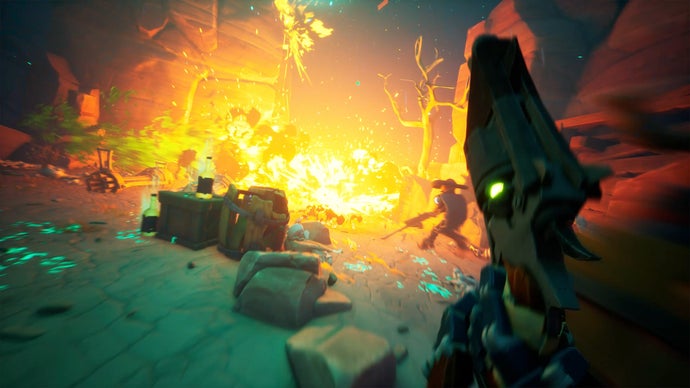
Far Far West publisher says "We don't work with partners that are relying on generative AI"
Fireshine Games has made its stance on generative AI explicit: it won’t work with developers who depend on AI-generated art or other core generative content. CEO Brian Foote said the publisher sees that as a “red line,” while drawing a distinction between generative content and productivity or coding tools.
That distinction matters for teams negotiating publishing deals. Fireshine is not rejecting all AI outright; Foote specifically said tools like code completion or Copilot in Word fall into a different bucket. But if AI is part of the actual game creation pipeline in a way that affects art or shipped content, Fireshine says it’s out.
The practical takeaway is that publisher due diligence is getting more specific. Studios using AI for placeholders, concepting, or production support may need to be ready to explain exactly where it appears in the workflow and how they prevent it from reaching the final game. That’s especially relevant for art-heavy teams, where asset provenance and review processes can become a deal issue.
This follows a similar position from Hooded Horse CEO Tim Bender earlier in the year, who also warned against generative AI even for placeholder assets because of the risk of it slipping into the finished product. The broader context is that some publishers are treating AI policy as part of their brand and quality control, not just an internal tooling preference.
“We don't work with partners that are relying on generative AI or generative art.”
- what
- Fireshine Games says it will not work with partners relying on generative AI art or generative art for core game creation.
- who
- Fireshine CEO Brian Foote made the statement in an exclusive interview with GamesIndustry.biz.
- who
- Hooded Horse CEO Tim Bender previously said his publisher recommends developers not use gen AI anywhere in the process.
- when
- Far Far West launched into Early Access on April 28 and sold over one million copies in its first two weeks.
Clear policy for some, but limits AI flexibility for teams.
Follow AI updates
See relevant stories in your personalized news feed.
Discussion