
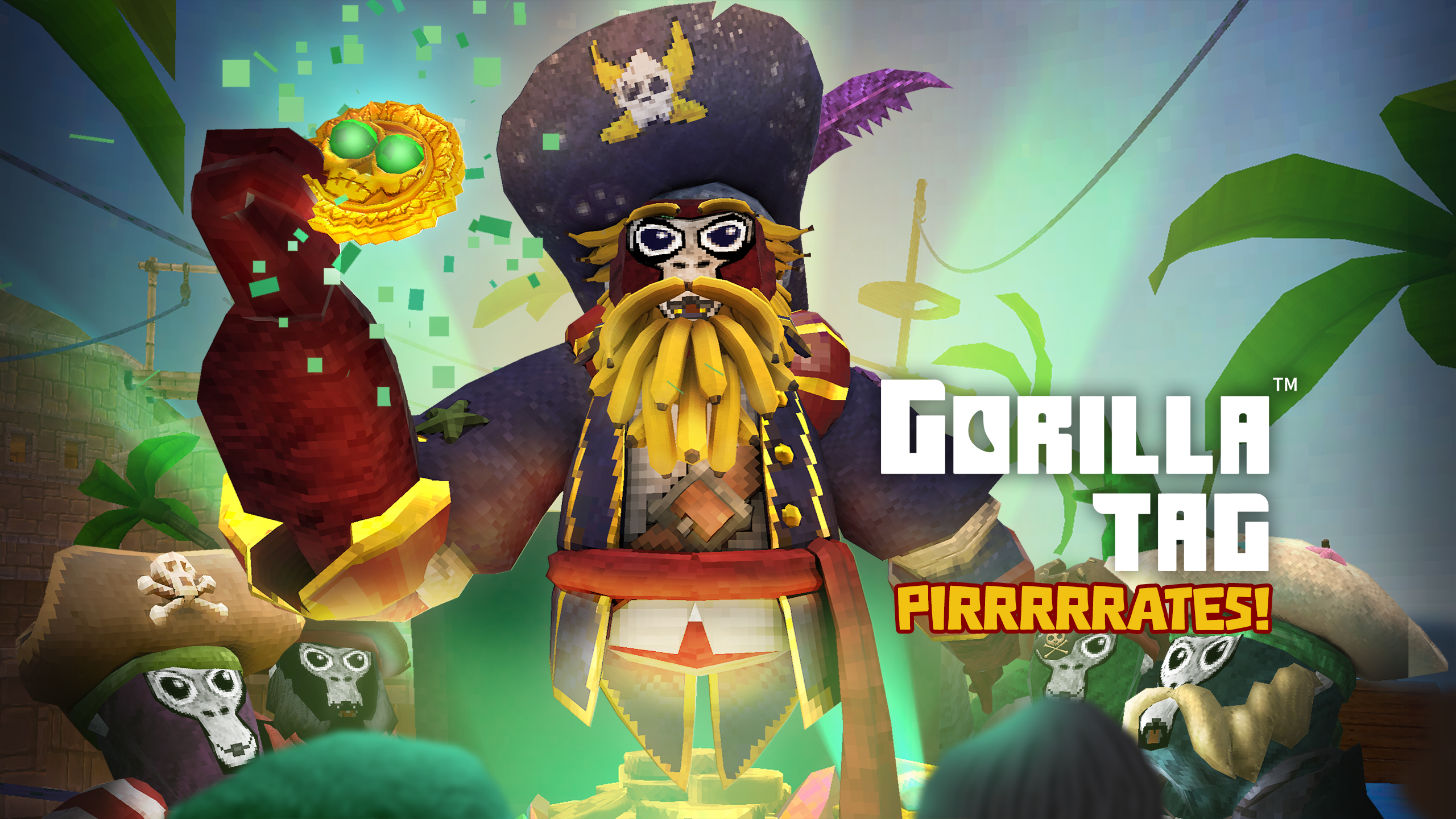
Keeping a VR giant fresh: Gorilla Tag’s two-week live ops cadence
Unity details how Another Axiom keeps Gorilla Tag moving with an aggressive two-week live-ops rhythm, pushing new content simultaneously across all supported VR platforms. For a game built on hand-based locomotion, the studio says performance is the first priority: in VR, a stable frame rate is a comfort issue, not just a technical metric.
That cadence leaves very little room for platform-specific surprises. The team has to validate functionality and usability in headset on every build, while also accounting for shader and build differences on PC platforms. With only about a week to merge work and another to stabilize it, the pipeline depends on tight branch management, fast iteration, and enough QA discipline to catch game-breaking issues before release.
UGC is a major part of the game’s longevity, but it comes with hard limits. Another Axiom uses polygon caps, active-object limits, and a whitelisted subset of components to keep custom maps performant and safe across devices. As internal tools improve, more content can be exposed to creators, which expands what the community can build without sacrificing consistency.
The studio also credits Unity-side tooling for making the cadence viable. URP helped reduce draw calls and improve performance, Addressables help manage a huge cosmetic catalog and Quest size constraints, and Unity Build Automation supports the continuous deployment flow needed for frequent headset testing. The broader takeaway is familiar to any live VR team: content velocity only works if the performance budget and build pipeline are equally aggressive.
“Performance is the most important thing for us, first and foremost.”
- what
- Another Axiom runs Gorilla Tag on a two-week live-ops update cycle with new maps, cosmetics, and modes.
- who
- Unity published the discussion; Derek Arabian, producer at Another Axiom, explains the workflow.
- when
- The piece is dated Aug. 18, 2026.
- impact
- The team must preserve VR comfort, cross-platform stability, and fast QA while shipping frequently.
Strong ops wins, but the cadence is demanding
Follow Unity updates
See relevant stories in your personalized news feed.

Discussion