
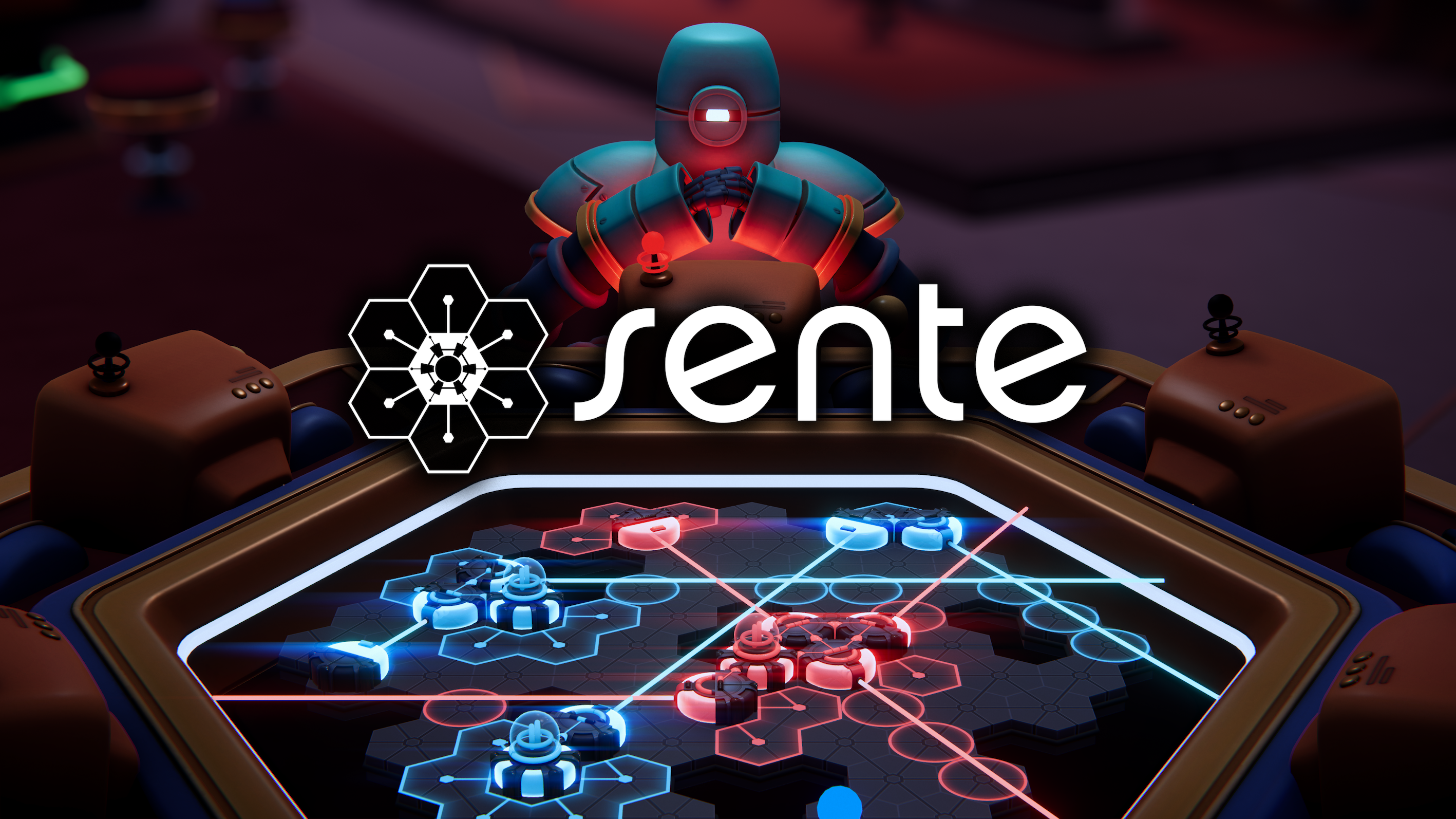
Building a data-driven board to power Sente’s six-player strategy
Unity details how Oxobox Games built Sente around a data-driven board system and simultaneous turns for up to six players. The studio’s core trick is a single logical board model that stays separate from rendering, letting the team reshape layouts, randomize setups, and export templates without touching scene objects directly.
That architecture matters because Sente spans everything from quick matches on small hex boards to larger puzzle layouts, all while keeping the rules readable enough for a fast tabletop-style strategy game. The team also built a board template manager inside Unity so boards can be painted, mirrored, and saved as reusable data rather than hand-authored scenes.
The same approach solved a production problem: the game’s puzzle designer never uses Unity, so Oxobox lets him build boards in a spreadsheet, export them as encoded strings, and import them into the game. The studio plans to extend that sharing flow to players, which could make user-created boards a real feature rather than a side experiment.
On the campaign side, Oxobox leans heavily on Unity Timeline for dialogue, camera work, board transitions, and branching logic. For teams shipping strategy games with custom content tools, Sente is a good reminder that data-first systems can simplify both design iteration and player-facing creation.
“Every board is stored as a logical model, separate from what you actually see.”
- what
- Oxobox Games built Sente around a data-driven hex board and simultaneous turns for up to six players.
- who
- Unity, Oxobox Games, Fernando Picate, Joaquín Frere, and puzzle designer Javier Mrad are involved.
- when
- Published Aug. 13, 2026; the team says it started in the 1990s and now develops in Unity 6.
- impact
- The board model supports editing, randomization, templates, and planned player-created boards.
Strong tooling and flexible design workflow
Follow Unity updates
See relevant stories in your personalized news feed.

Discussion