
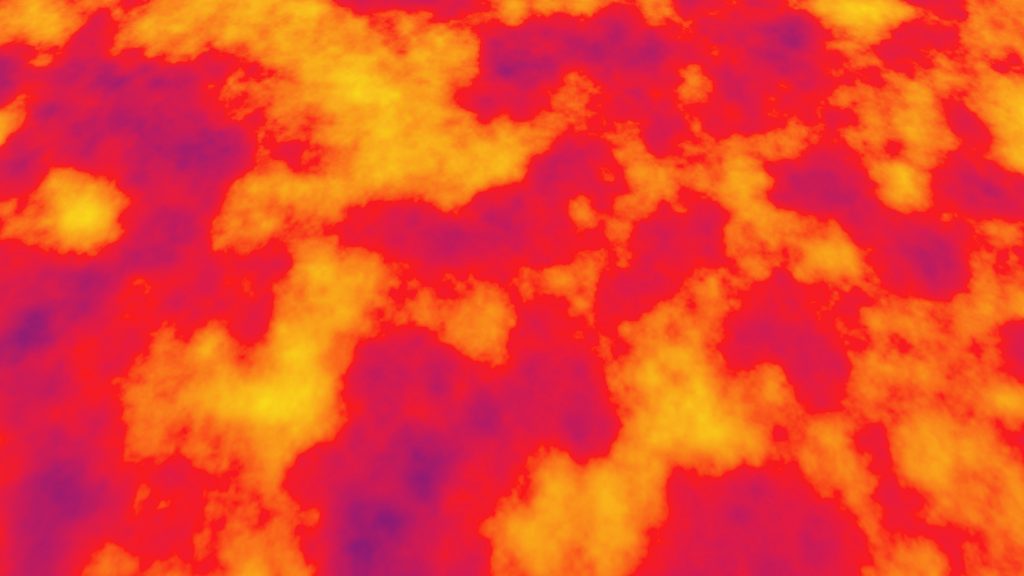
Value Noise - Procedural GPU Patterns
Catlike Coding Godot demonstrates a compact shader-side remap for procedural GPU patterns: take a 0–1 value, double it, then split it into two opposing gradients to produce a 1–0–1 shape. That lets a single scalar drive a symmetric mask without extra texture lookups or branching-heavy logic.
The practical move is straightforward. Values above 1 are converted into a black-to-white ramp by subtracting 1, while values at or below 1 become a white-to-black ramp by subtracting from 1. The result is a mirrored gradient that can be used for stylized bands, masks, or value-noise-style effects.
For graphics programmers and technical artists, the appeal is in how little state it needs. This kind of remap is easy to drop into a fragment or compute shader, and it scales well when you want procedural variation without authoring more textures. It also reinforces a common GPU pattern: reshape simple ranges into more expressive visual controls rather than layering on complexity.
The broader takeaway is that small math transforms often do the heavy lifting in procedural rendering. If you’re building noise, ramps, or thresholded effects, this is the sort of utility function that can save time and keep your shader graphs or code paths tidy.
- what
- A 0–1 value is doubled and remapped into a 1–0–1 gradient for procedural GPU patterns.
- who
- Catlike Coding Godot
- when
- Published as part of the Value Noise / Procedural GPU Patterns tutorial series
- impact
- Useful for shader masks, stylized ramps, and procedural visual effects without extra textures
Practical shader trick that helps procedural workflows
Follow Godot updates
See relevant stories in your personalized news feed.
Discussion