
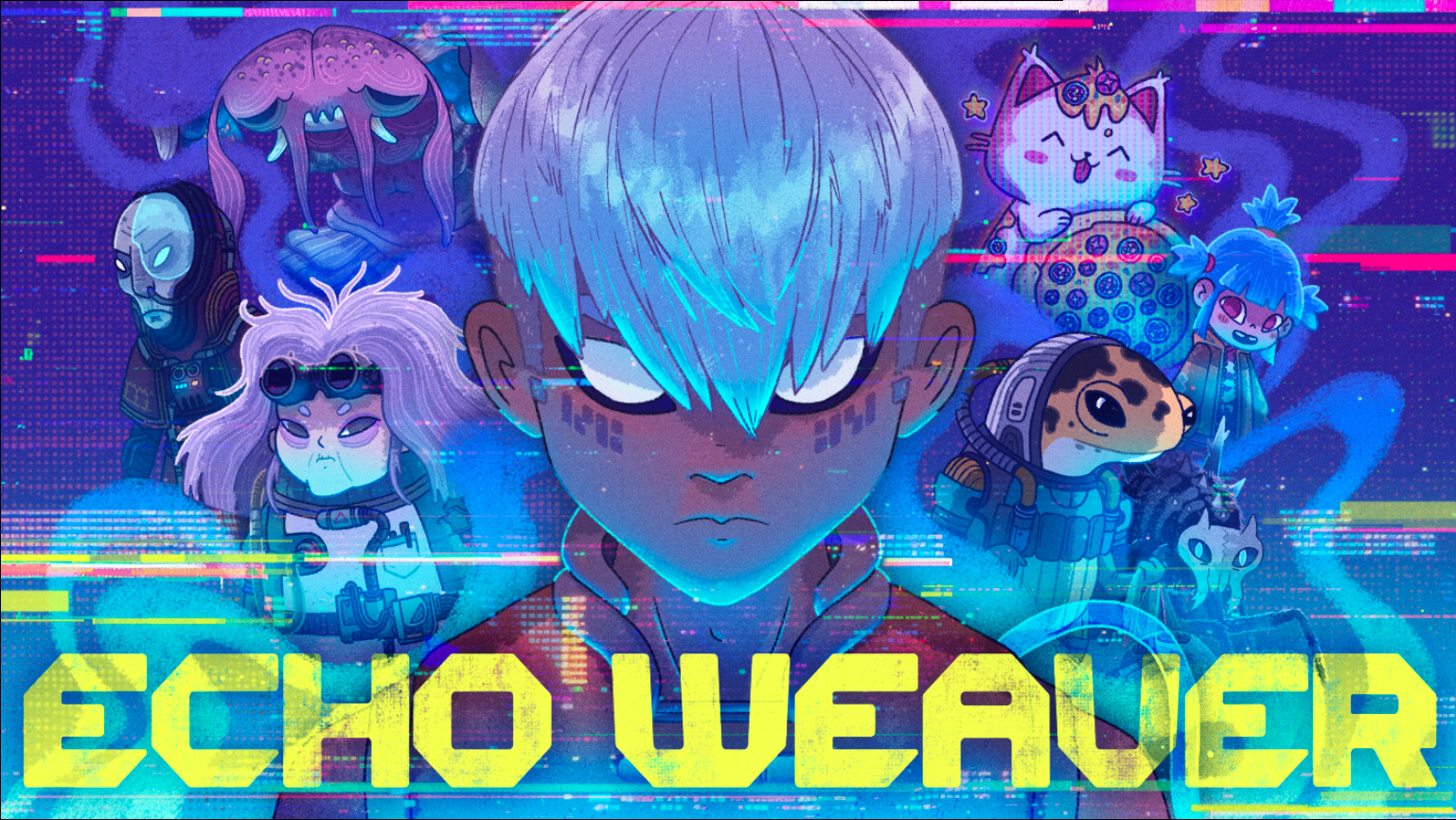
Echo Weaver: Building a time-loop metroidbrainia in Unity 6
Unity details how Moonlight Kids built Echo Weaver, a time-loop metroidbrainia launching today on PC and consoles. The three-person studio’s pitch is “space parkour detective,” and the design leans on player knowledge instead of permanent upgrades or classic Metroidvania gates.
That choice pushes the technical side in interesting directions. The game streams an interconnected world with no loading screens, so the team built a chunk-based architecture in Unity 6, with a lightweight essentials scene for volatile state and serialized data for anything that must survive a loop reset. In practice, the game still saves plenty of information; the difference is that a failed state is less punishing because the loop can always restart.
The design also changes how level layout works. Shortcuts that would normally stay open are temporary within a loop, so Moonlight Kids relies on concealment, foreground art tricks, and tightly planned minute-long routes to make progress feel earned. The clock itself was simplified after playtests: seconds were removed in favor of minute “bells,” which reduced stress and helped players optimize opening routes.
For small teams, the big takeaway is that time-loop structure can replace some of the usual persistence problems, but it doesn’t eliminate state management. It just changes what needs to persist, what can be rebuilt, and how much of the world must be recoverable after every reset.
“We were like, no saving! Time travel! Everything resets!”
- what
- Echo Weaver launches today on PC and consoles as a time-loop metroidbrainia
- who
- Moonlight Kids and Akupara Games; Unity interviewed Chris Sumsky and Ankit Trivedi
- when
- Published Oct. 8, 2026; launch is today
- impact
- Shows how to build loop-reset progression, streaming worlds, and persistent state in Unity 6
Strong design ideas, but complex state management remains hard
Follow Unity updates
See relevant stories in your personalized news feed.

Discussion