
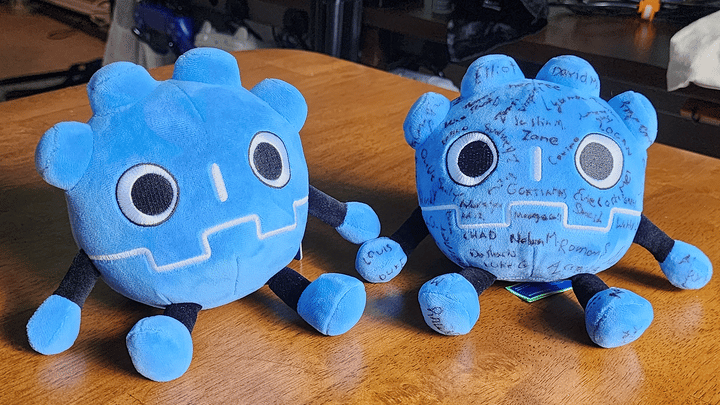
Godot adoption is rising: what are devs getting out of the engine?
Godot’s adoption is climbing, and the main draw is still its lightweight design. Developers are increasingly choosing it for projects where a smaller install, quick startup, and a less bloated workflow matter more than a sprawling feature set. That makes it especially attractive for teams that want to move fast without carrying the overhead of a larger commercial engine.
The engine’s open source model is part of the story too. Studios and solo devs get more control over their tooling and fewer long-term business risks tied to licensing changes or platform policy shifts. For smaller teams, that can translate into more predictable production planning and fewer surprises once a project is already in motion.
What’s notable is that the momentum isn’t just about ideology; it’s about day-to-day production value. Developers sticking with Godot are often doing so because it helps them prototype quickly, keep builds manageable, and avoid fighting the engine when they’d rather be building the game. That makes the engine especially relevant for programmers, technical artists, and designers working on lean pipelines.
The broader takeaway is that Godot is no longer just the “free alternative” in the conversation. Its growth suggests more teams are treating it as a serious production option when scope, speed, and control matter more than ecosystem size.
“Godot's 'lightweight' features are a major reason why devs are sticking with the open source engine.”
- what
- Godot adoption is rising as more developers choose the open source engine for production work.
- who
- Game developers using Godot, especially smaller teams and solo developers.
- when
- Current adoption trend; no specific date or release window was disclosed.
- impact
- Teams get a lightweight engine with faster iteration and fewer licensing concerns.
Adoption is rising due to practical workflow benefits.
Follow Godot updates
See relevant stories in your personalized news feed.
Discussion