
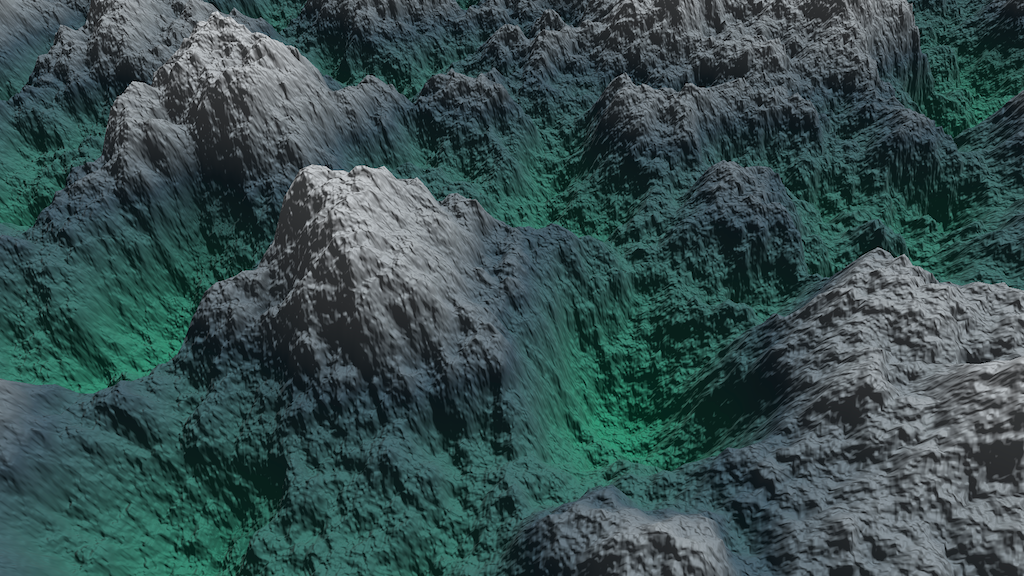
Value Noise Derivatives - Procedural GPU Patterns
Catlike Coding Godot has added a new variant smooth01() function to pattern_sample.gdshaderinc, giving shader authors an extra integer parameter to pick the interpolation style used by value-noise sampling. The available modes are linear, smooth, and smoother, with linear matching the original sample behavior, smooth using the standard eased blend, and smoother pushing the curve further for gentler transitions.
The main reason to care is derivatives. When a procedural pattern is feeding normal-vector adjustment, harsher interpolation can show up as shading artifacts, so the smoother option is there to make those transitions behave better. If the pattern is only being used for color, the simpler smooth blend is often enough, and linear remains useful when you want a more deliberate, less softened look.
For shader and tools programmers, this is a small API change with a practical payoff: it keeps one noise helper flexible enough for both technical and artistic use cases. It also reflects a common procedural workflow in games, where the same pattern may need different treatment depending on whether it is driving albedo, masks, or surface detail.
- what
- A new smooth01() variant was added for value-noise sampling in Godot shaders.
- who
- Catlike Coding Godot
- when
- Published as part of the Value Noise Derivatives / Procedural GPU Patterns update
- impact
- Gives shader authors linear, smooth, or smoother interpolation for different procedural uses
Adds useful control without much complexity
Follow Godot updates
See relevant stories in your personalized news feed.
Discussion